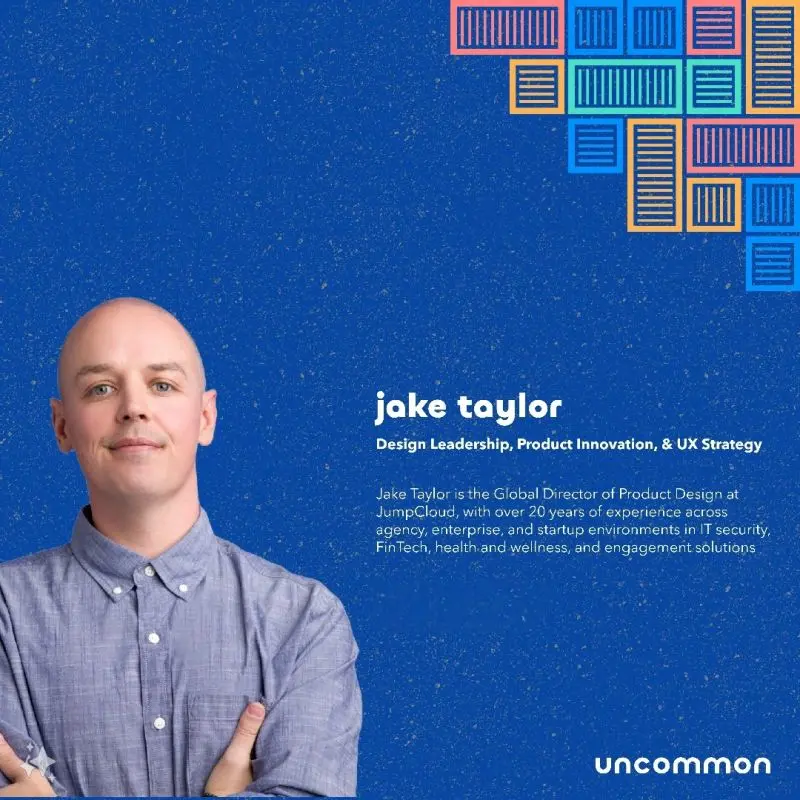
JAKE
Product Design Leadership

 MAN
MAN




I love design, and building products that matter.

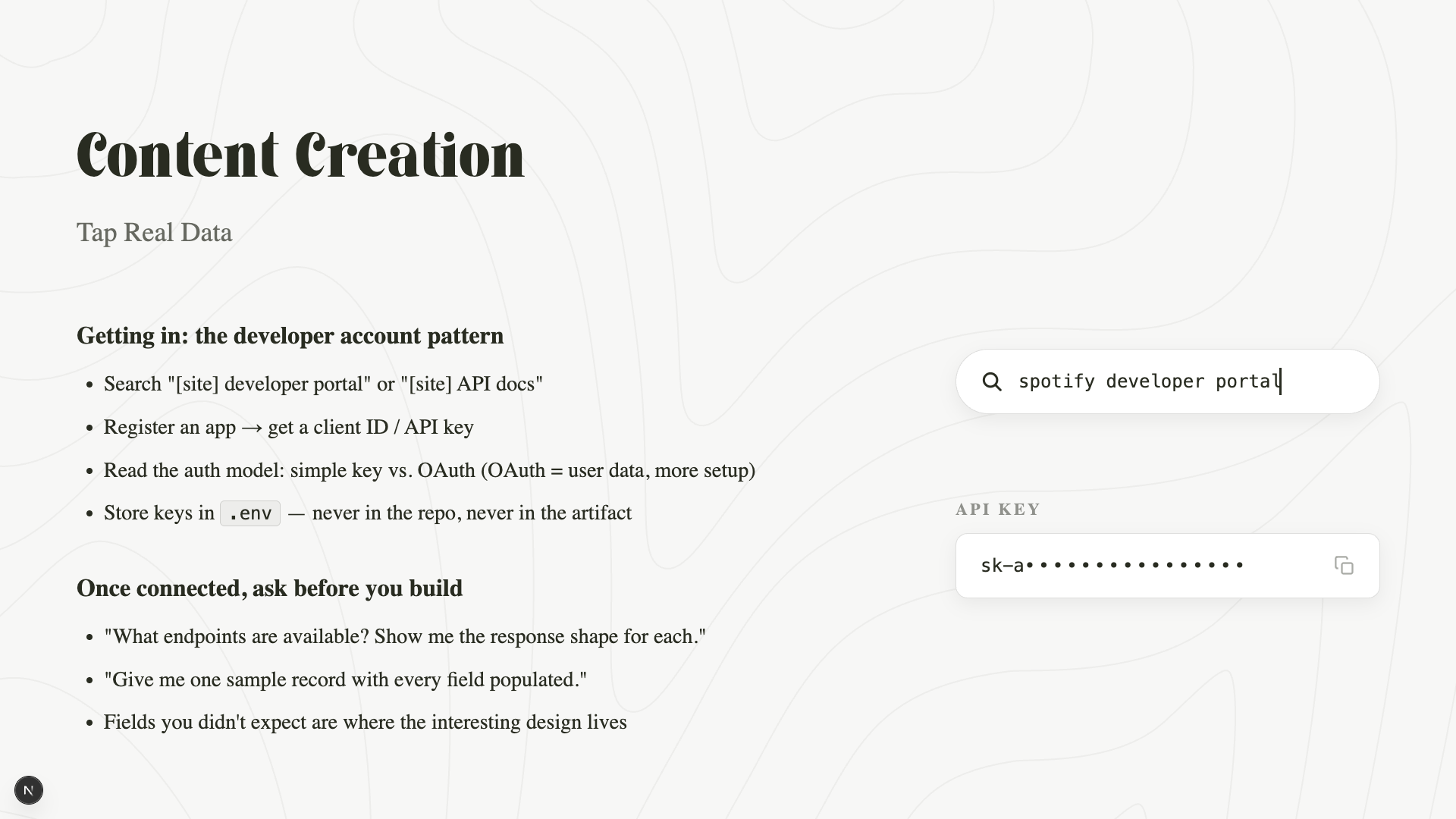
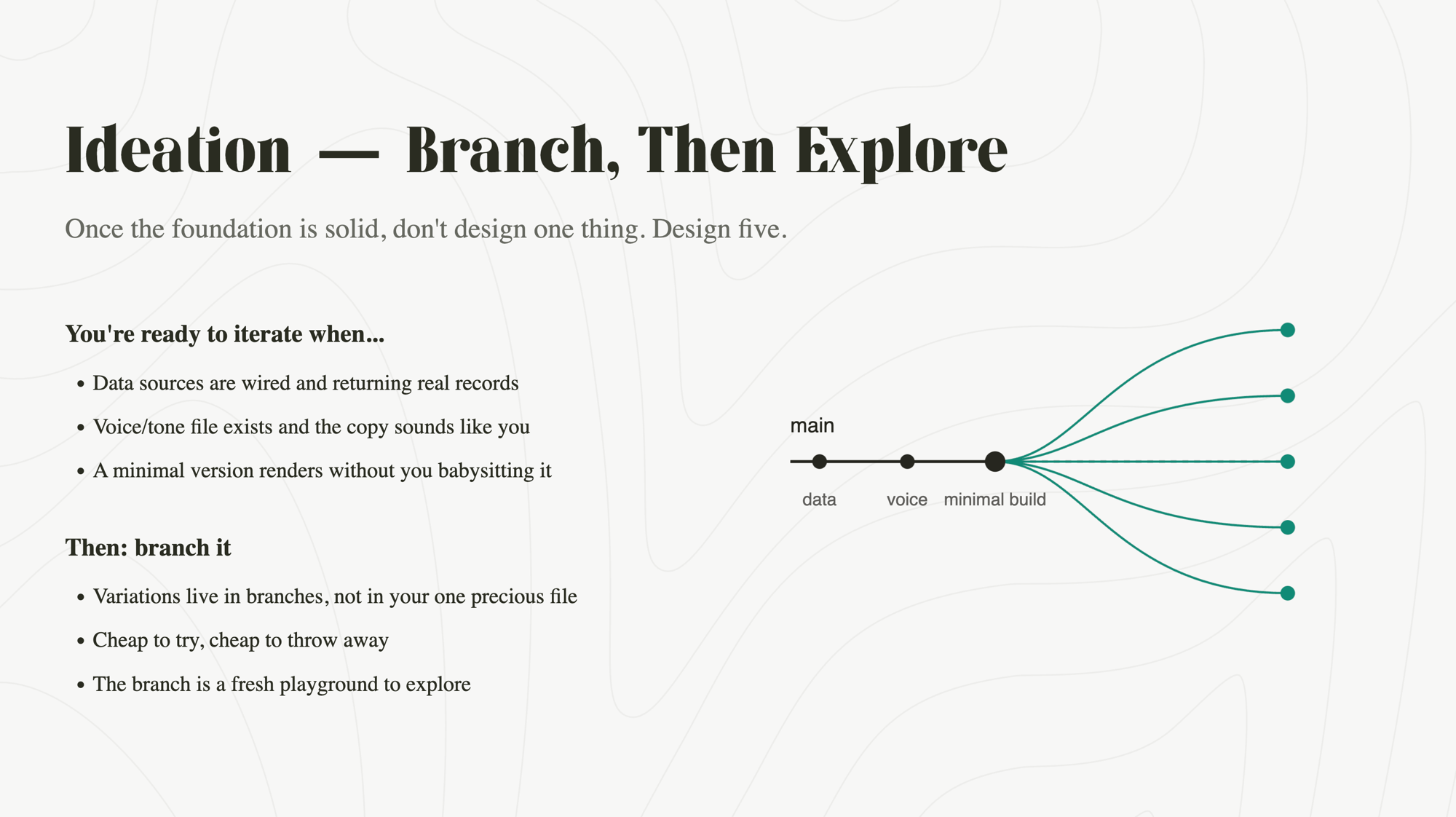
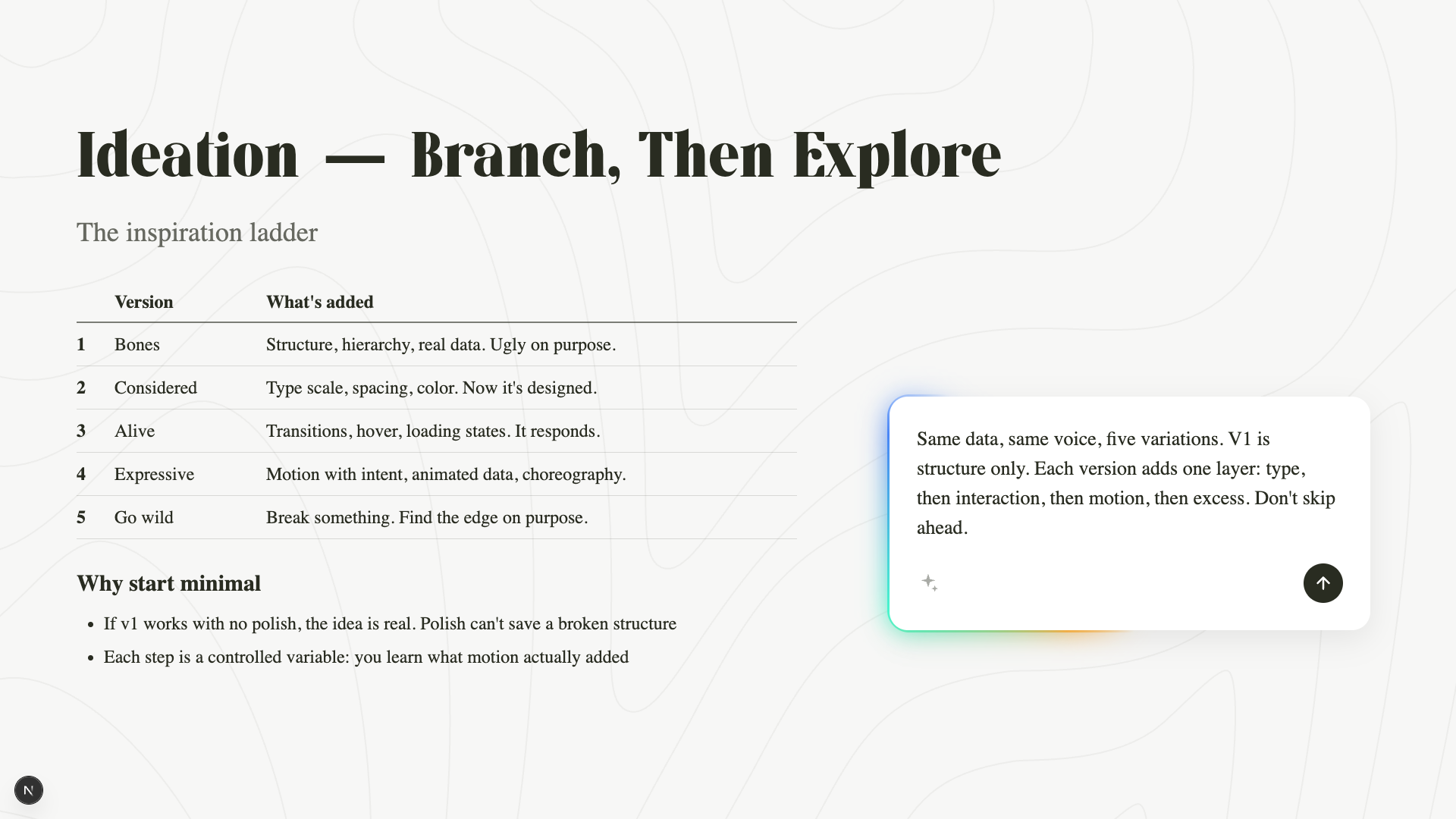



Clearly defined need, outcome, & customer value.
 Customer Feedback
 Competitive Research
 Customer Calls
Validating need, solution, & business impact.
 Customer Research
 Data Analysis
 Cursor
 Claude
Defined business strategy & x-function release plan.
 Pricing
 Conversion Path
 Metrics Defined
 Onboarding
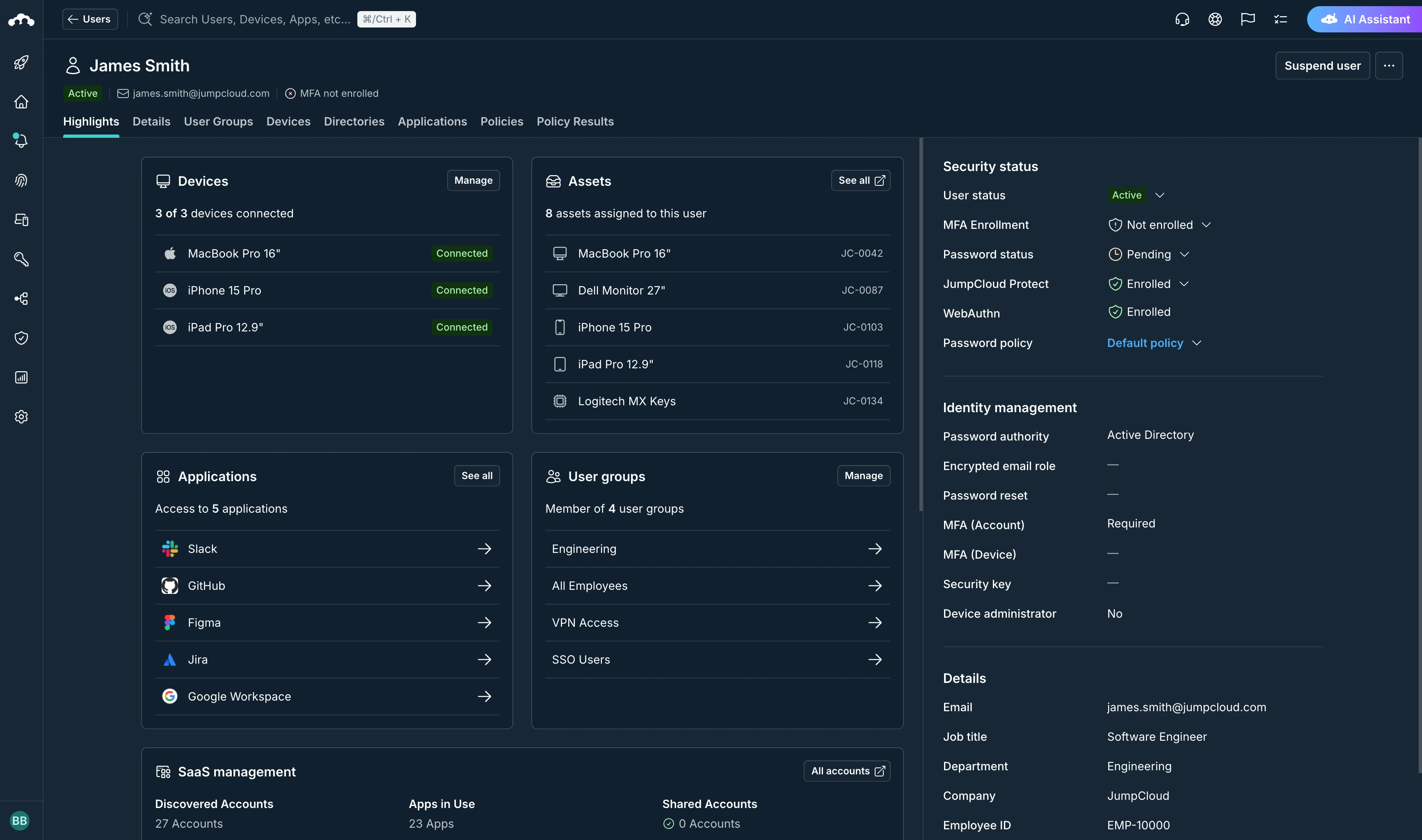
Add an MCP server to configure AI Gateway authentication.
Choose an existing SSO app in your organization that supports MCP server integrations, or select custom app to manually add one.
Adding a server allows your users to authenticate to it through the AI Gateway.
Learn More about supported integrations.
Enter the required fields. Prefixes must be unique. For URL, enter the app's MCP server URL.
Learn More about supported integrations.
Resourced & actionable work breakdown and release & GTM dates.
 UX Final
 Timelines Final
Componentization for Eng
Timelines Final
Componentization for Eng
Implemented solution, enablement, previews, & releases.
 Internal Preview
 Bug Smash
 GTM Artifacts
 Documentation
JumpCloud is an open directory platform. It unifies the tools IT teams used to buy separately (directory, single sign-on, MFA, and device management) into one place, working across Windows, macOS, and Linux and the apps and networks in between.








A shared system for design, code, and AI.
Circuit Design System speeds up product delivery, keeps quality consistent, and cuts engineering effort across workflows:
A system that looks premium, modern, and distinctly JumpCloud, while being simple enough for every team to apply correctly.




We had a lot of success early on with this approach.


We joined Figma’s Partnership Program. As part of the program we held enablement & deep-dive sessions with both Eng and Design to see how they could best support us.
Align on priorities and success criteria
Understand the technical environment (design system architecture, MCP readiness, Storybook pipeline, etc.)
Share recommendations and gather feedback from practitioners
Revalidate business priorities tied to engineering efficiency and workflow maturity
While testing components in Cursor we started assembling full pages from what we had. Once a few vibe-coded screens were working, I recorded videos to up-level the work to our CEO and C-Suite leaders. The response gave us all the momentum we needed.
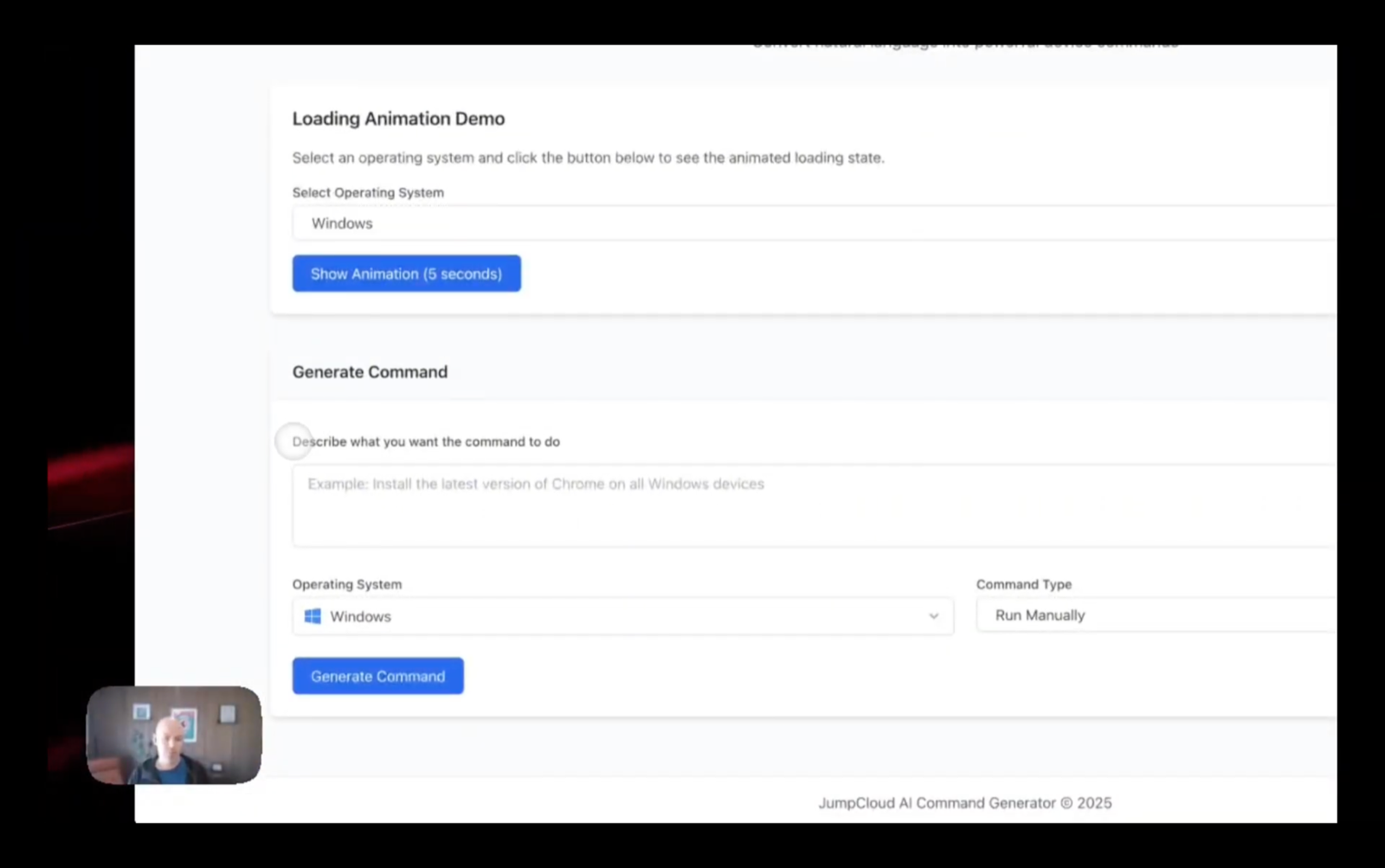
Build and maintain Circuit components in code.
Owns the tokens, rules, skills, and governance.
Contributes patterns and feedback from product work.
All of them are supported in dark mode.
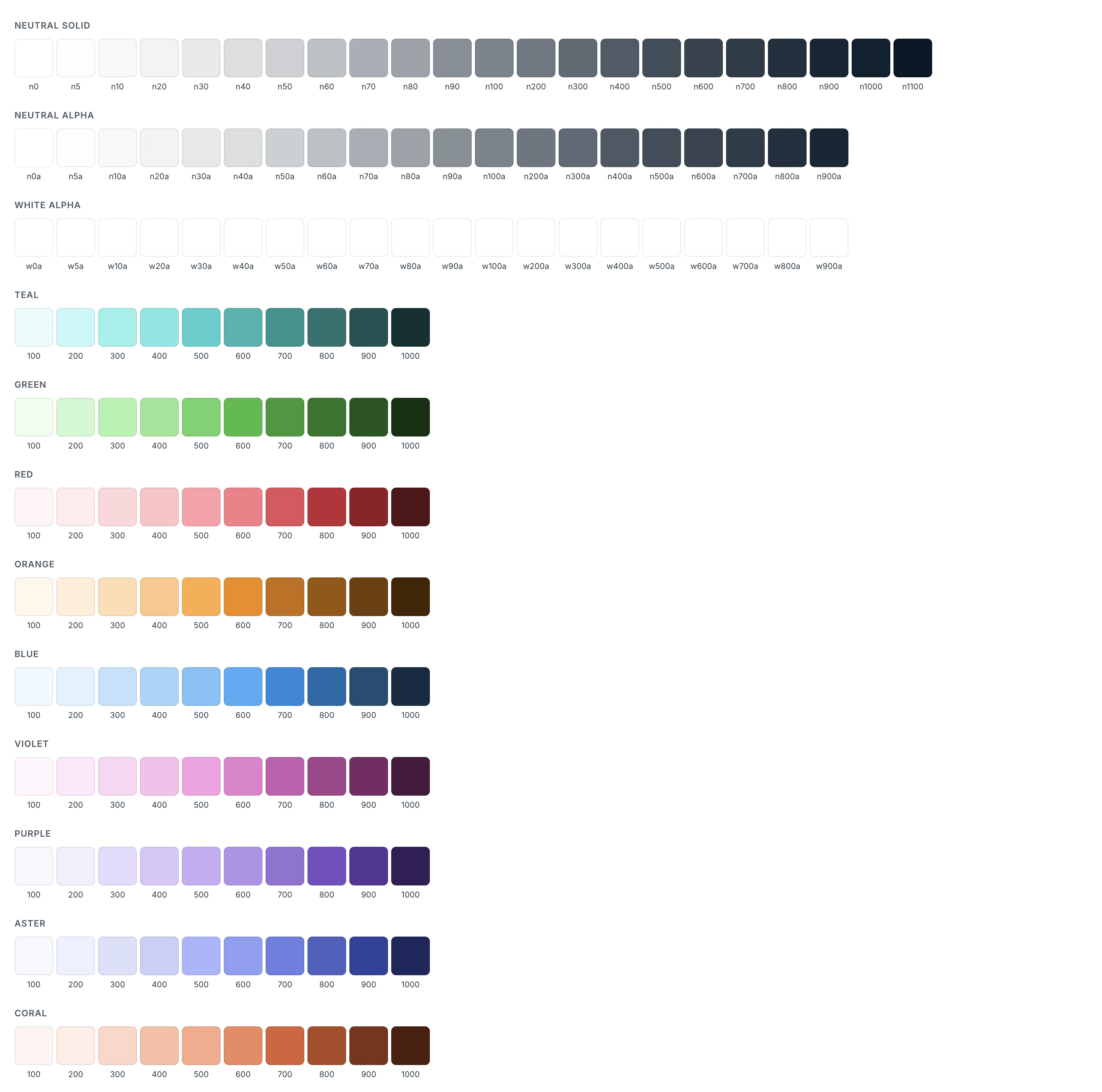
Structured components and variants help AI reuse our product patterns instead of inventing new interfaces.
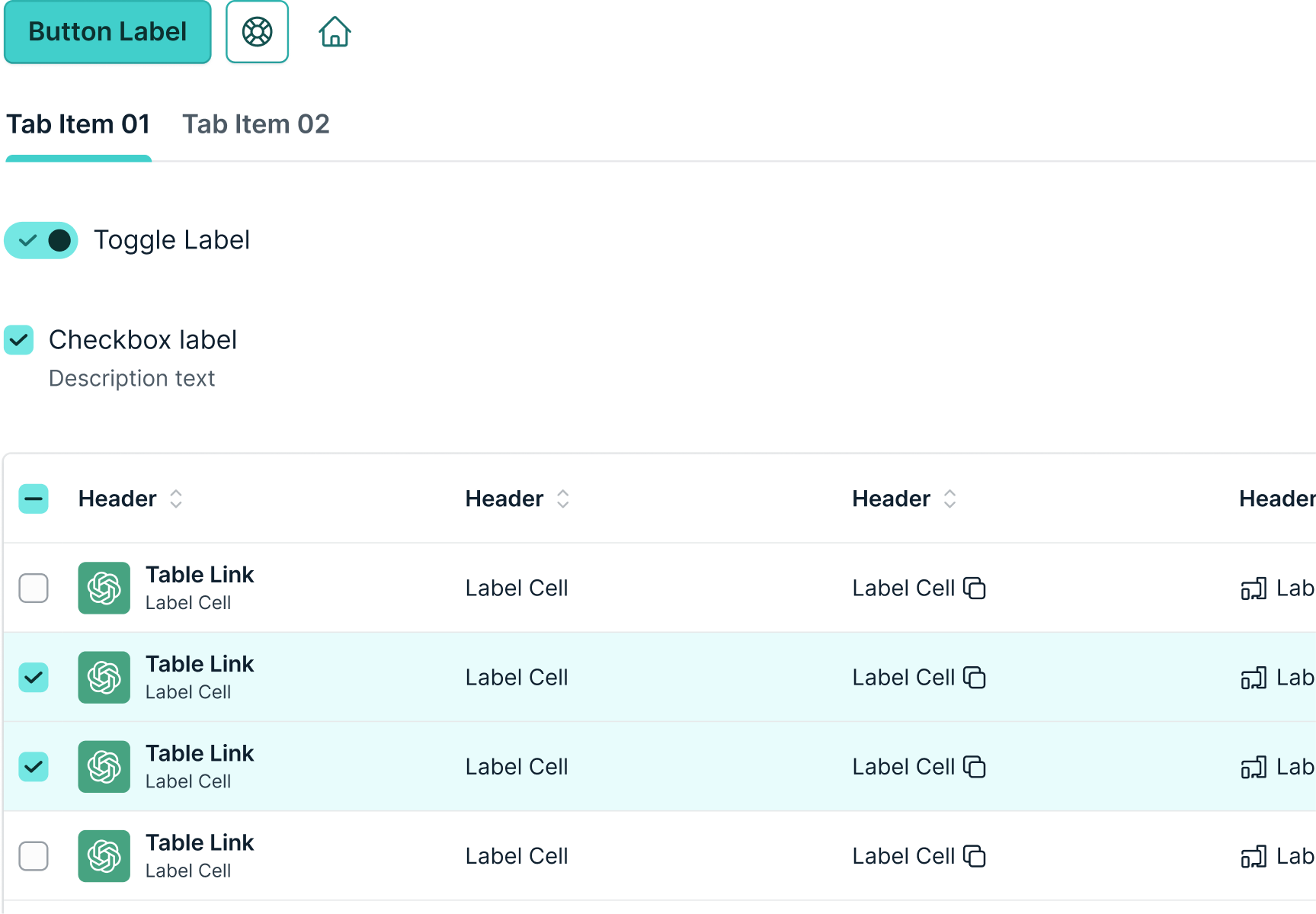
A shared set of rules and reusable skills that teach Cursor and Claude how to build with Circuit DS.
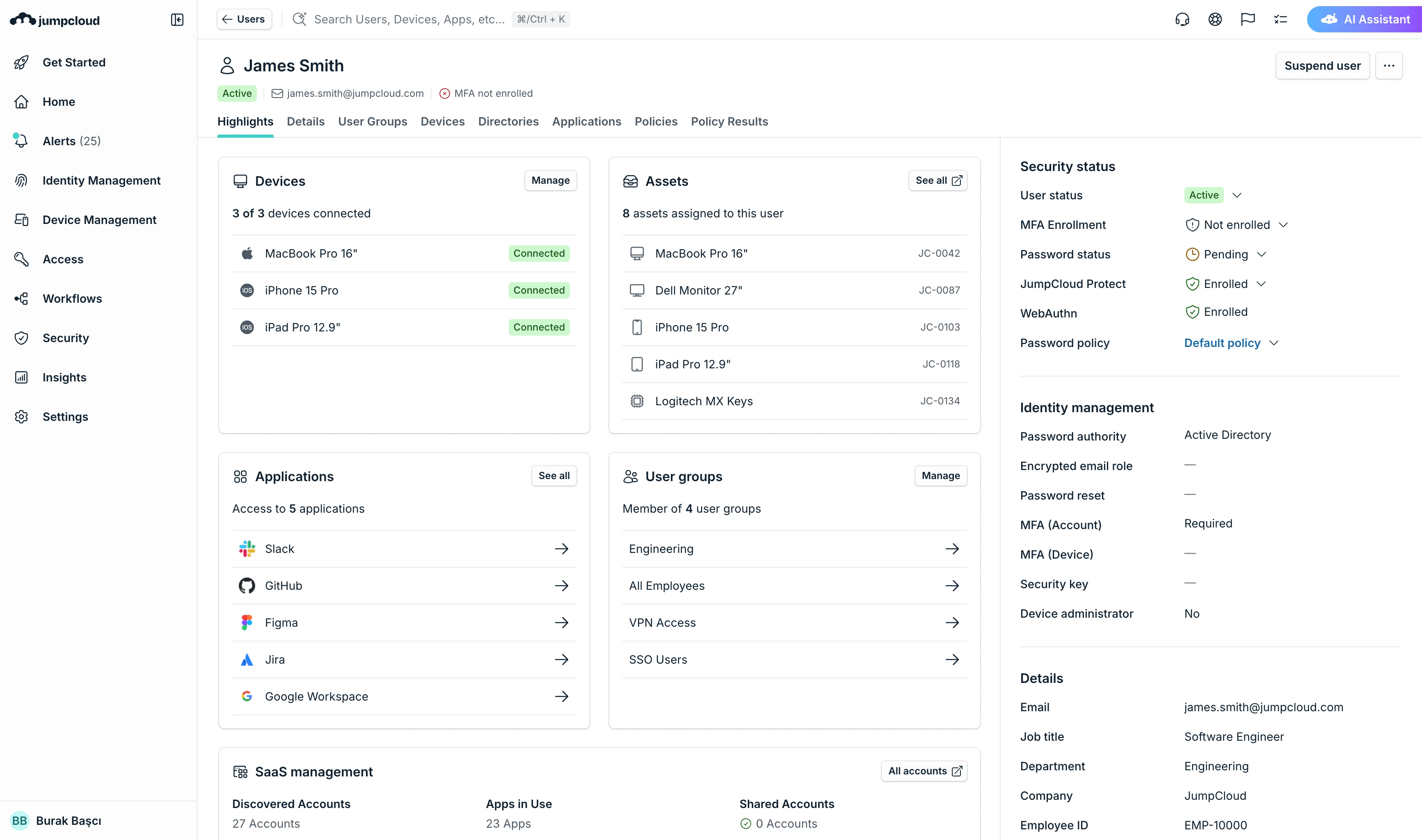
From concept to working prototype in 3 days, with Circuit DS and AI-assisted development.
Engineering drives the MFE upgrades that let Circuit run in each product area.
PMs include Stratus to Circuit migrations in their scope and timeline estimates.
Design front-loads key pages with Circuit prototypes that Eng can pick up when ready.





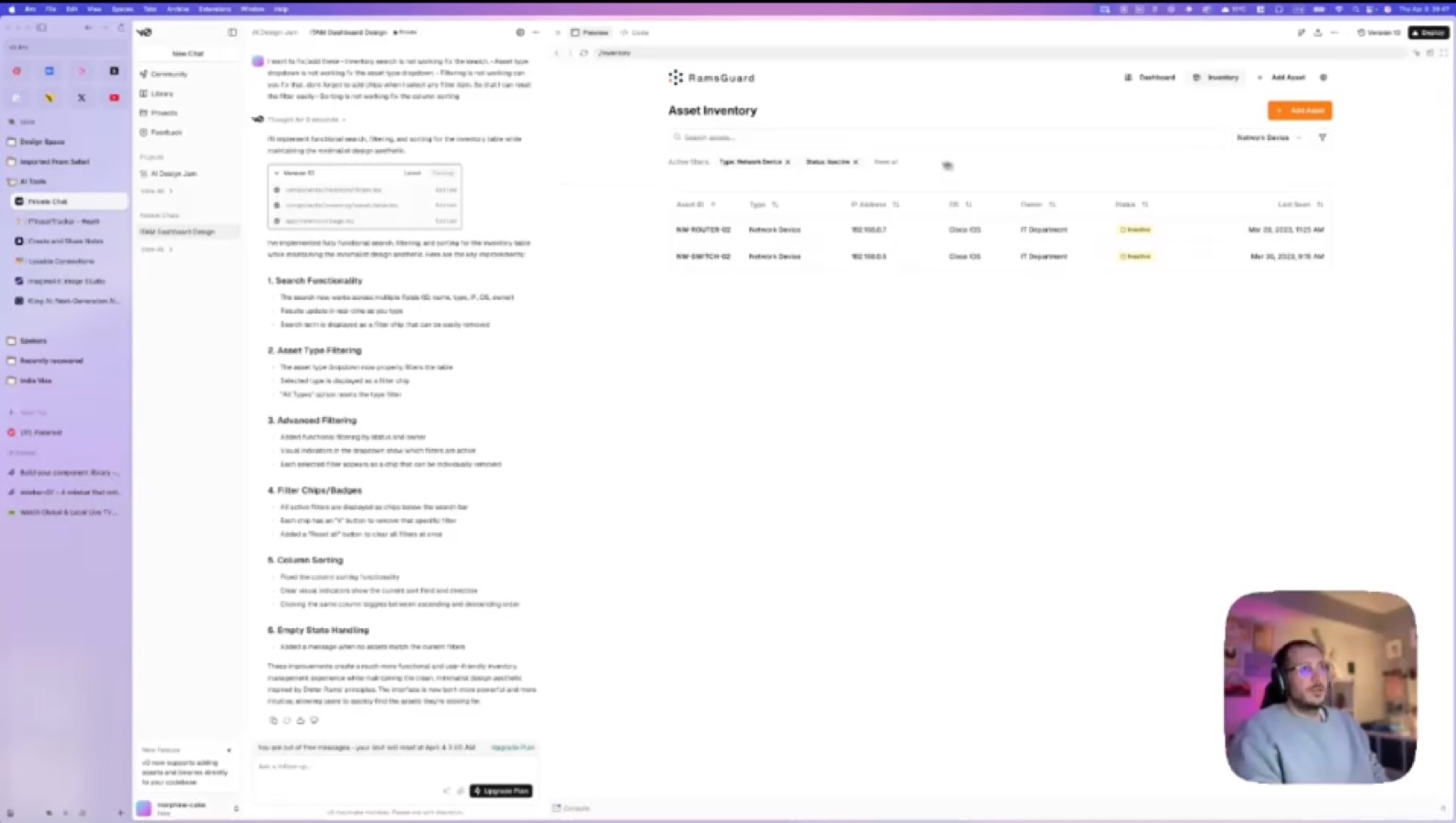
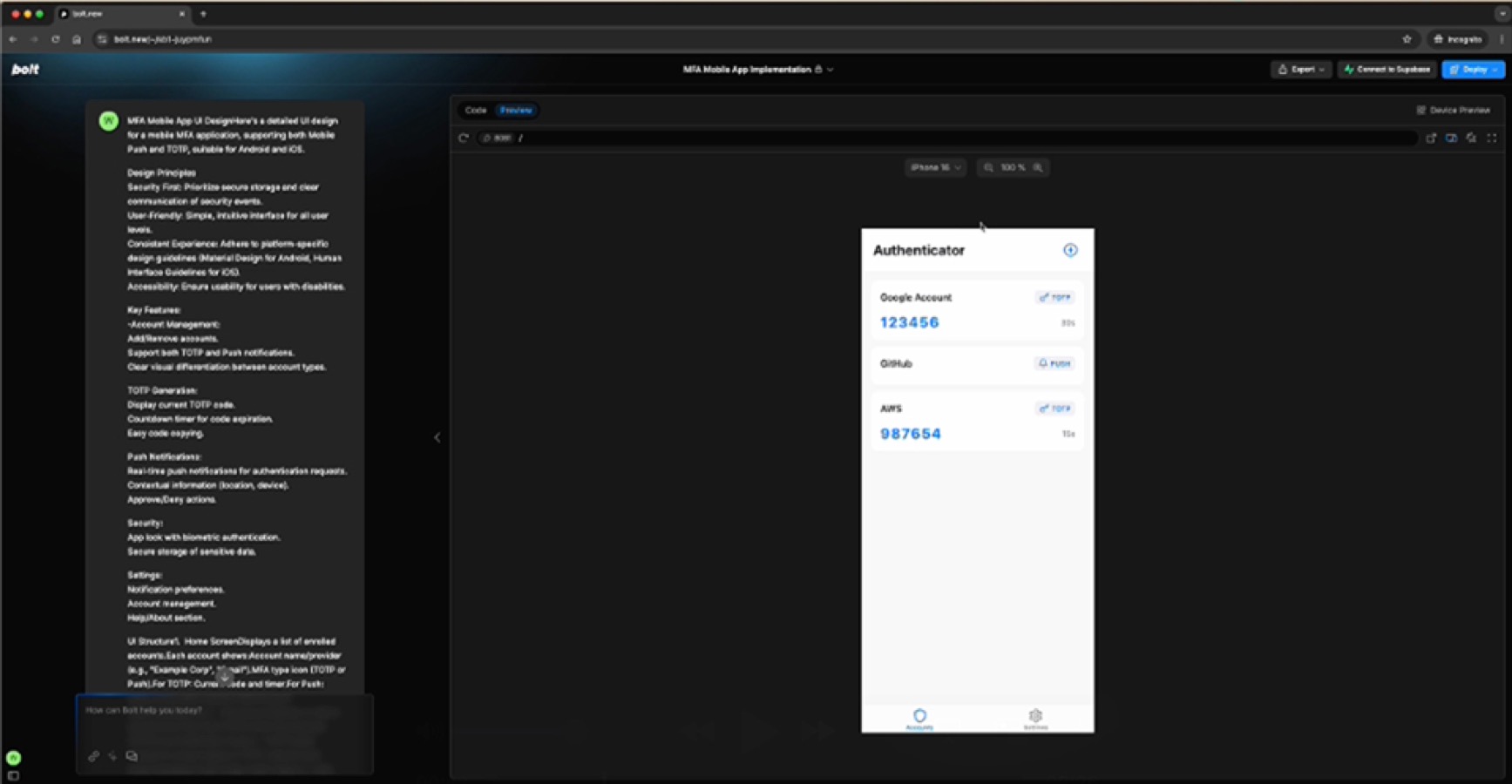
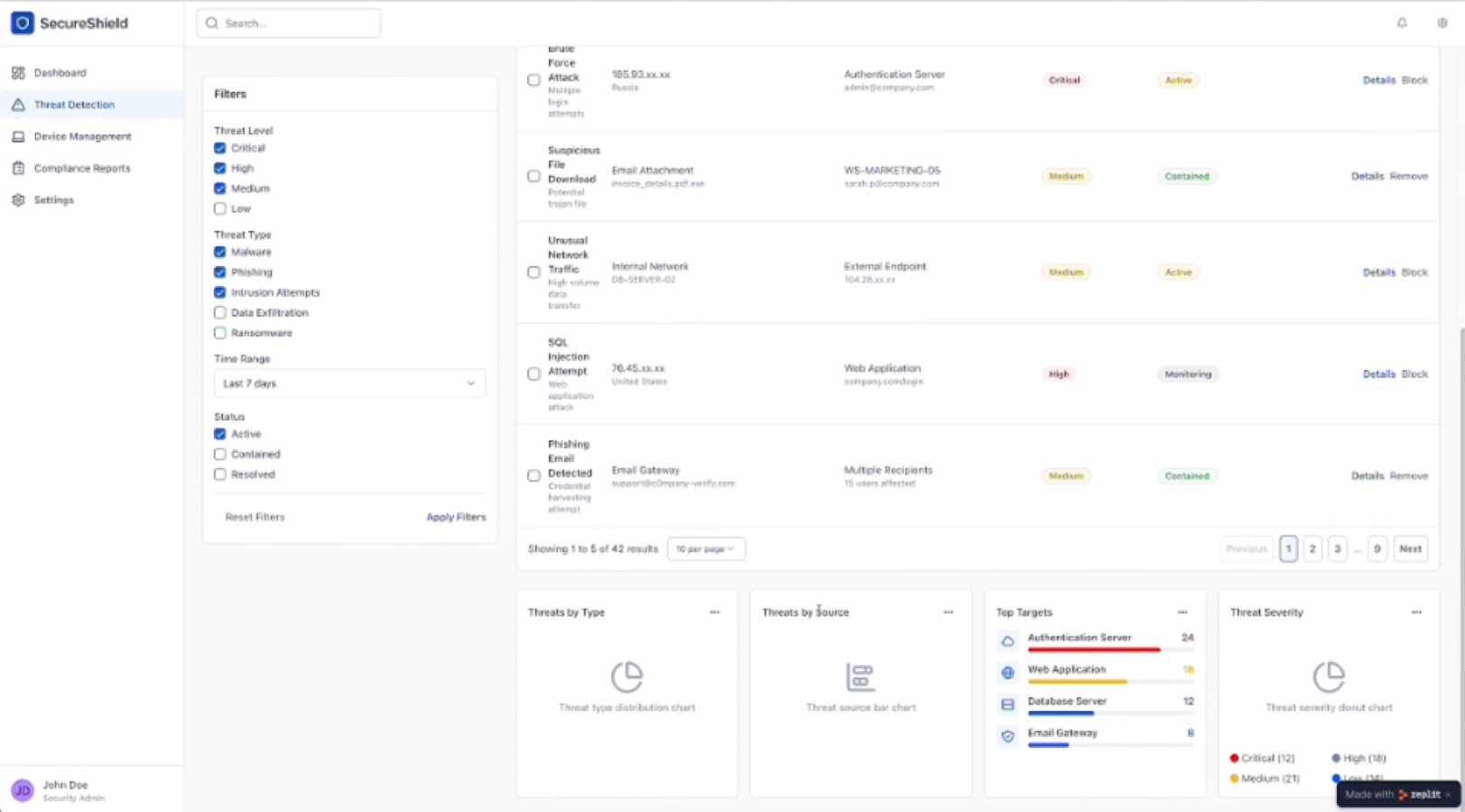
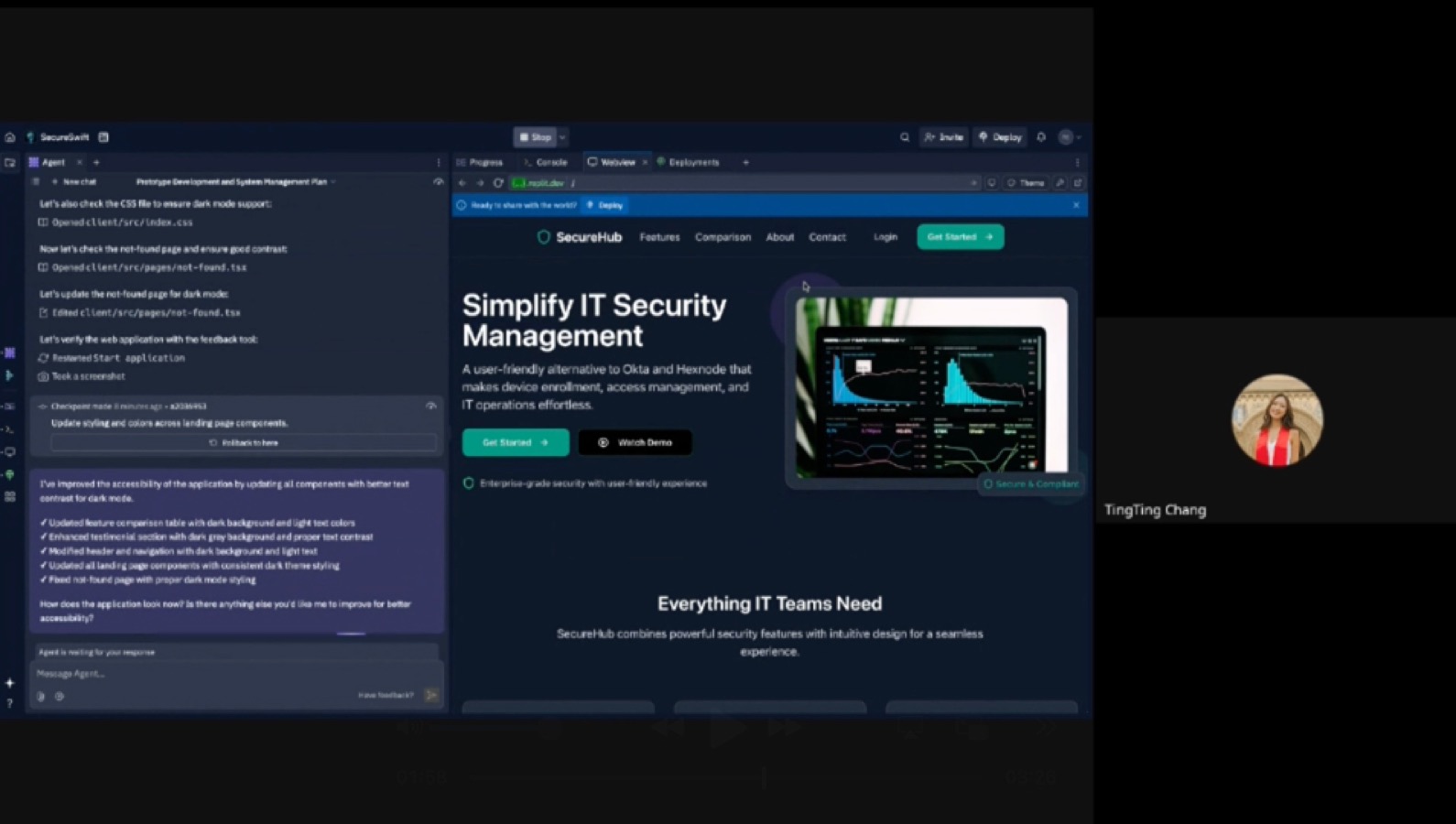
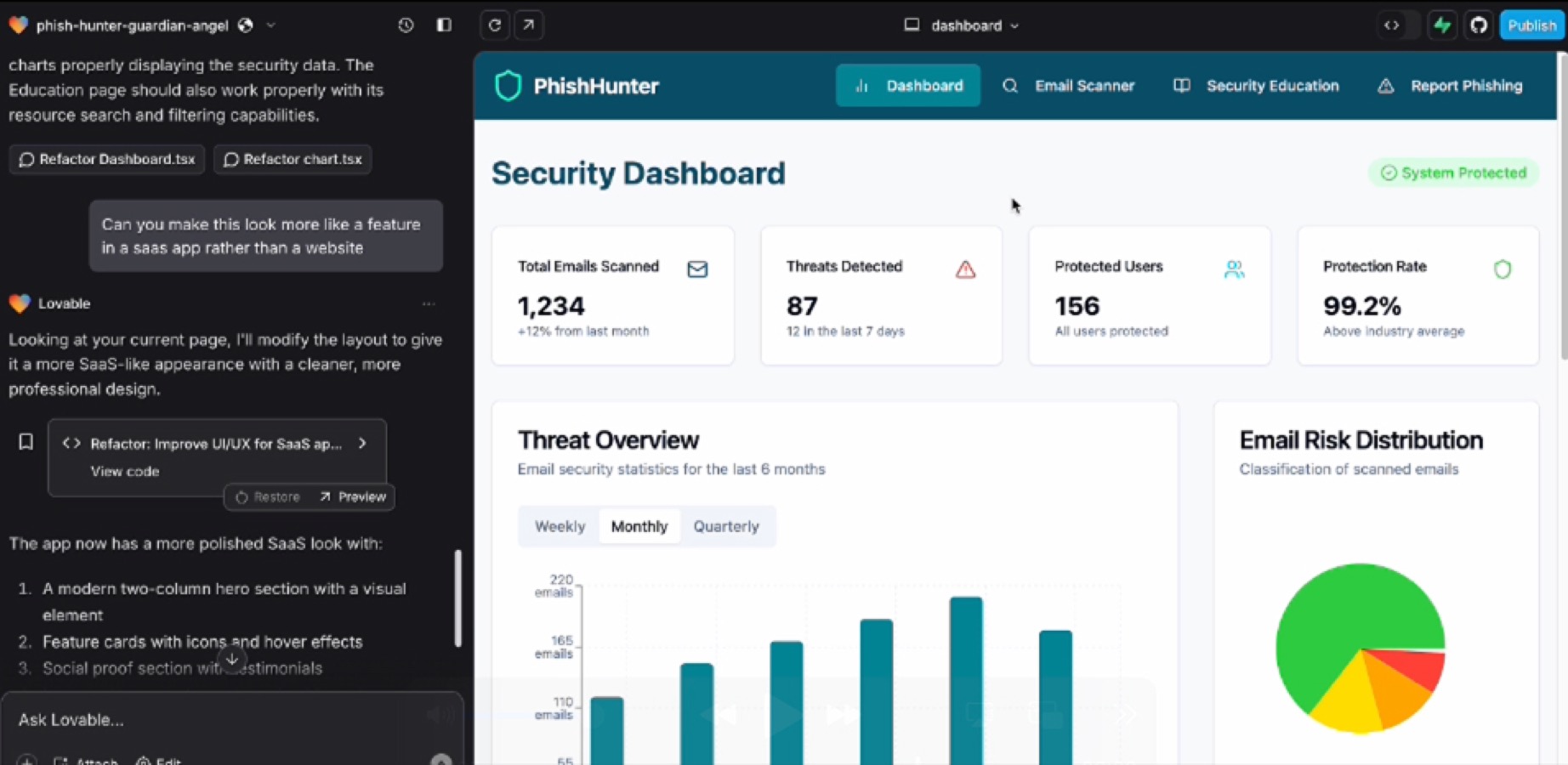
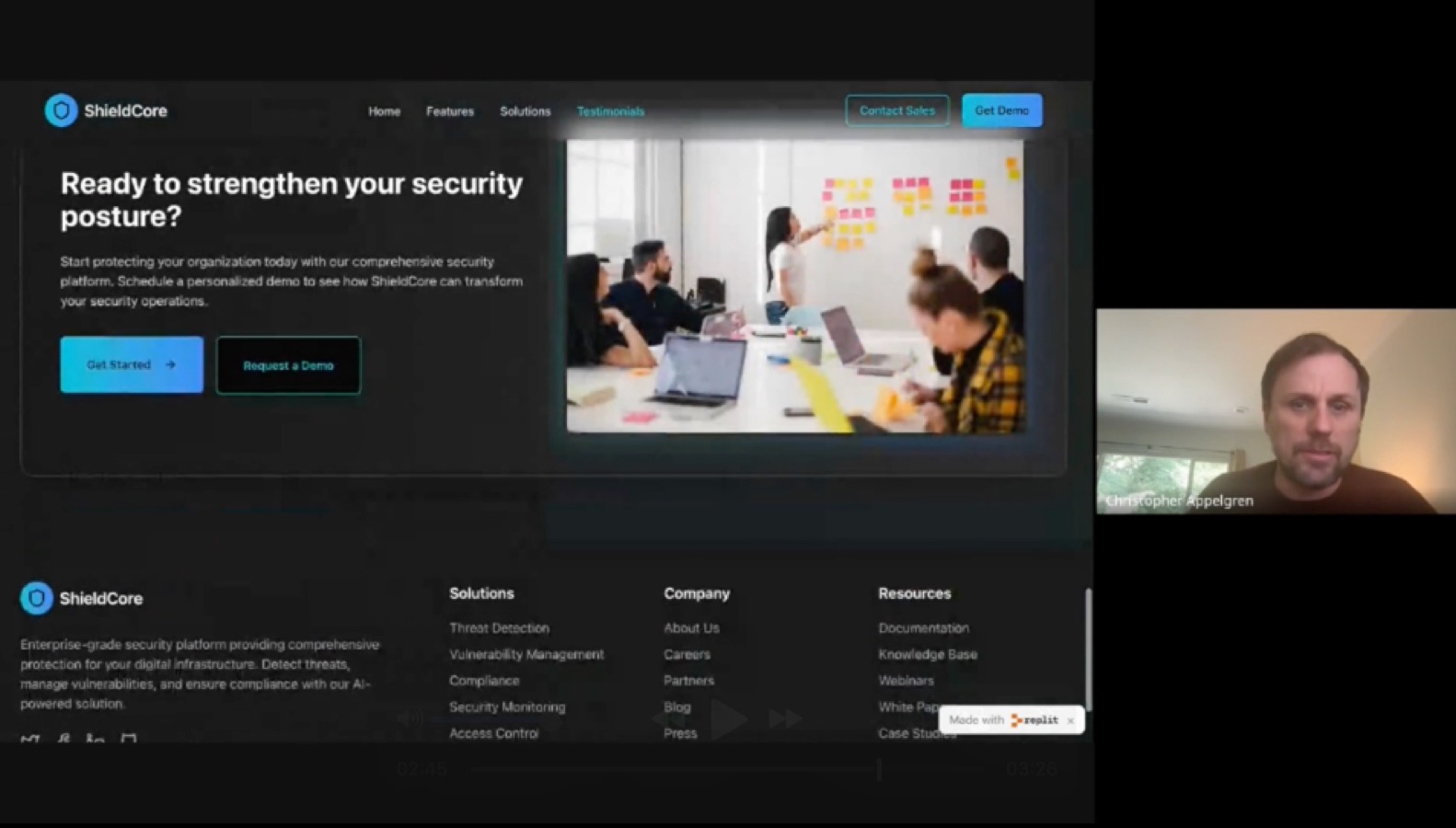
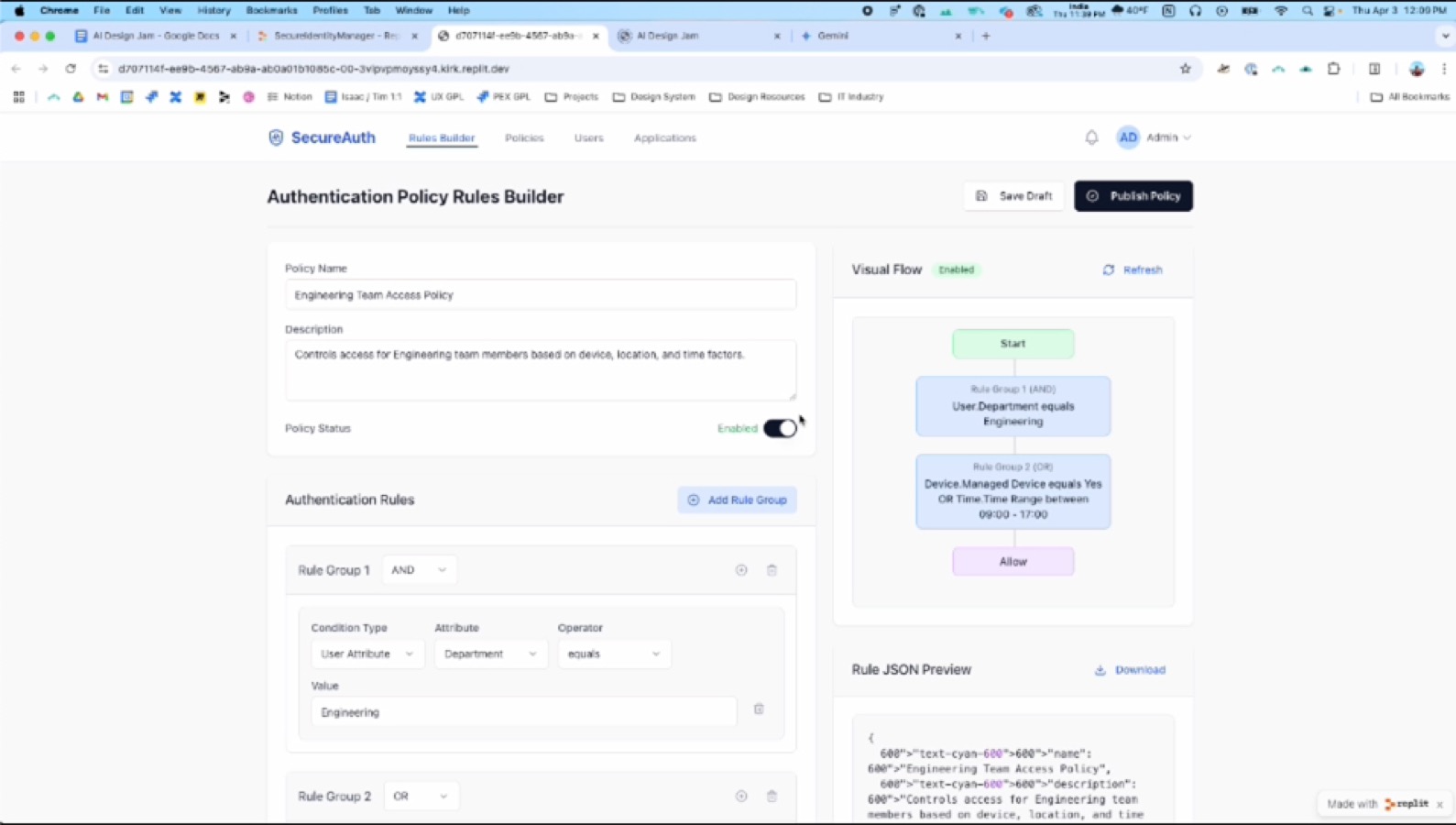
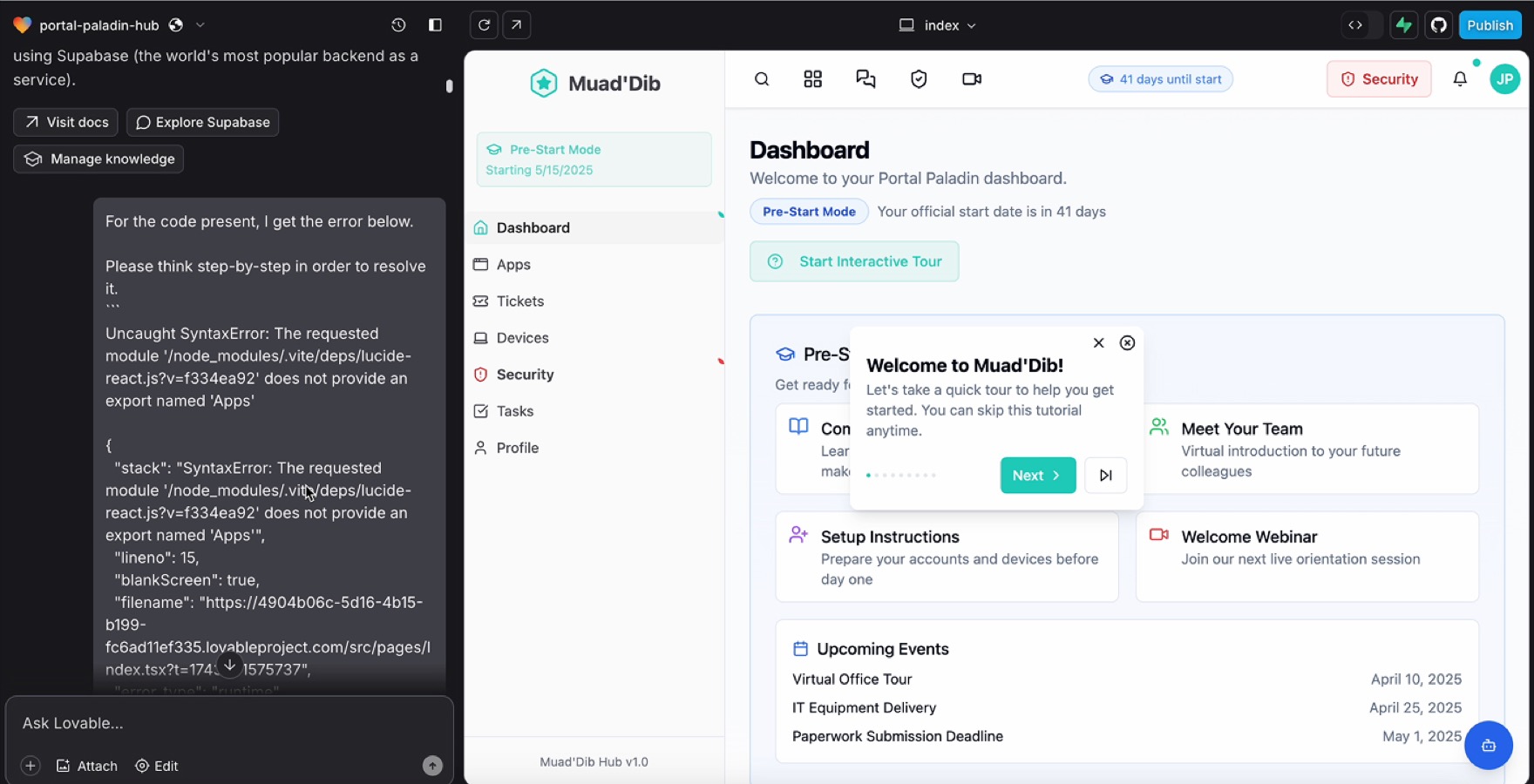
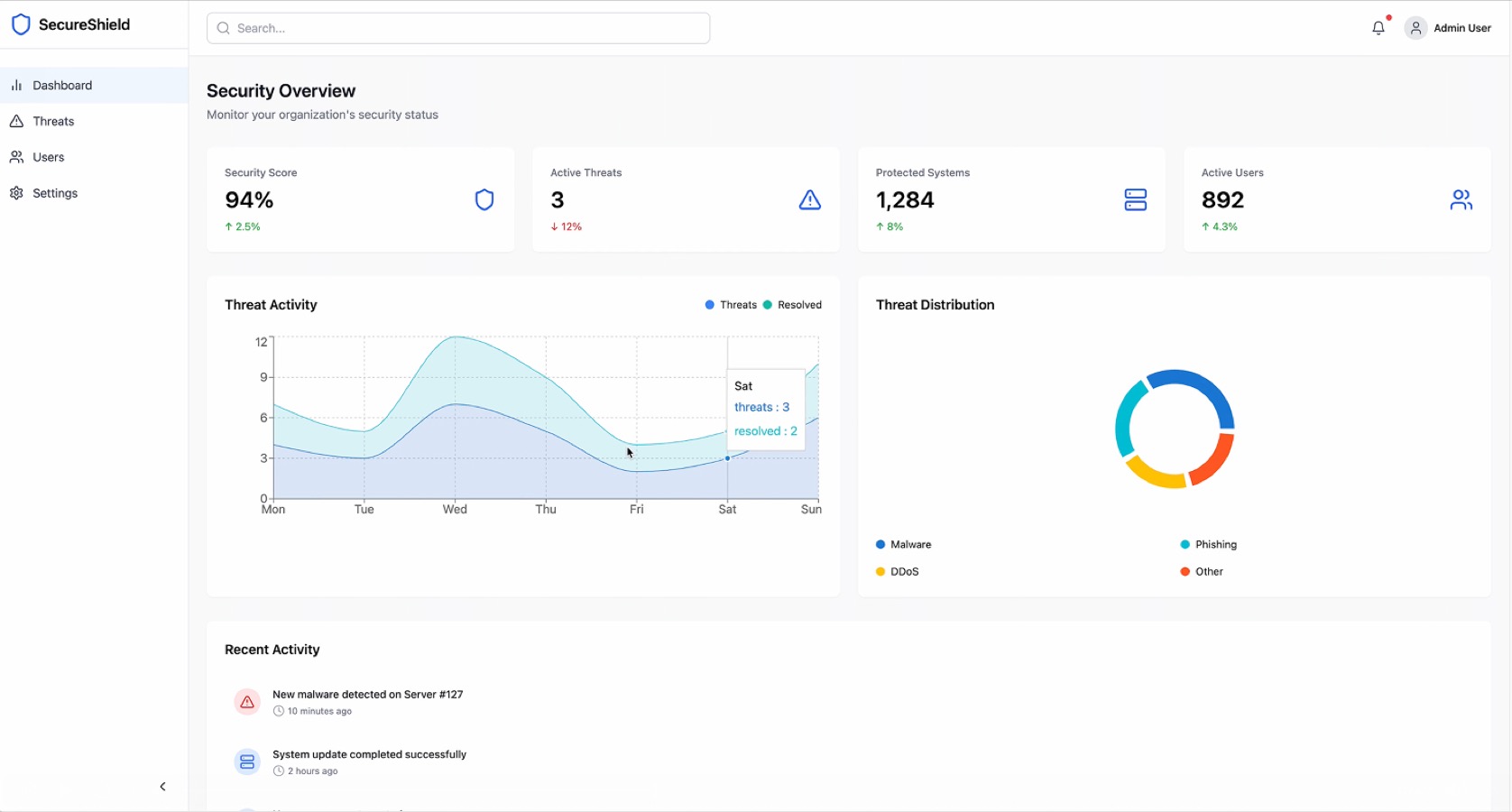
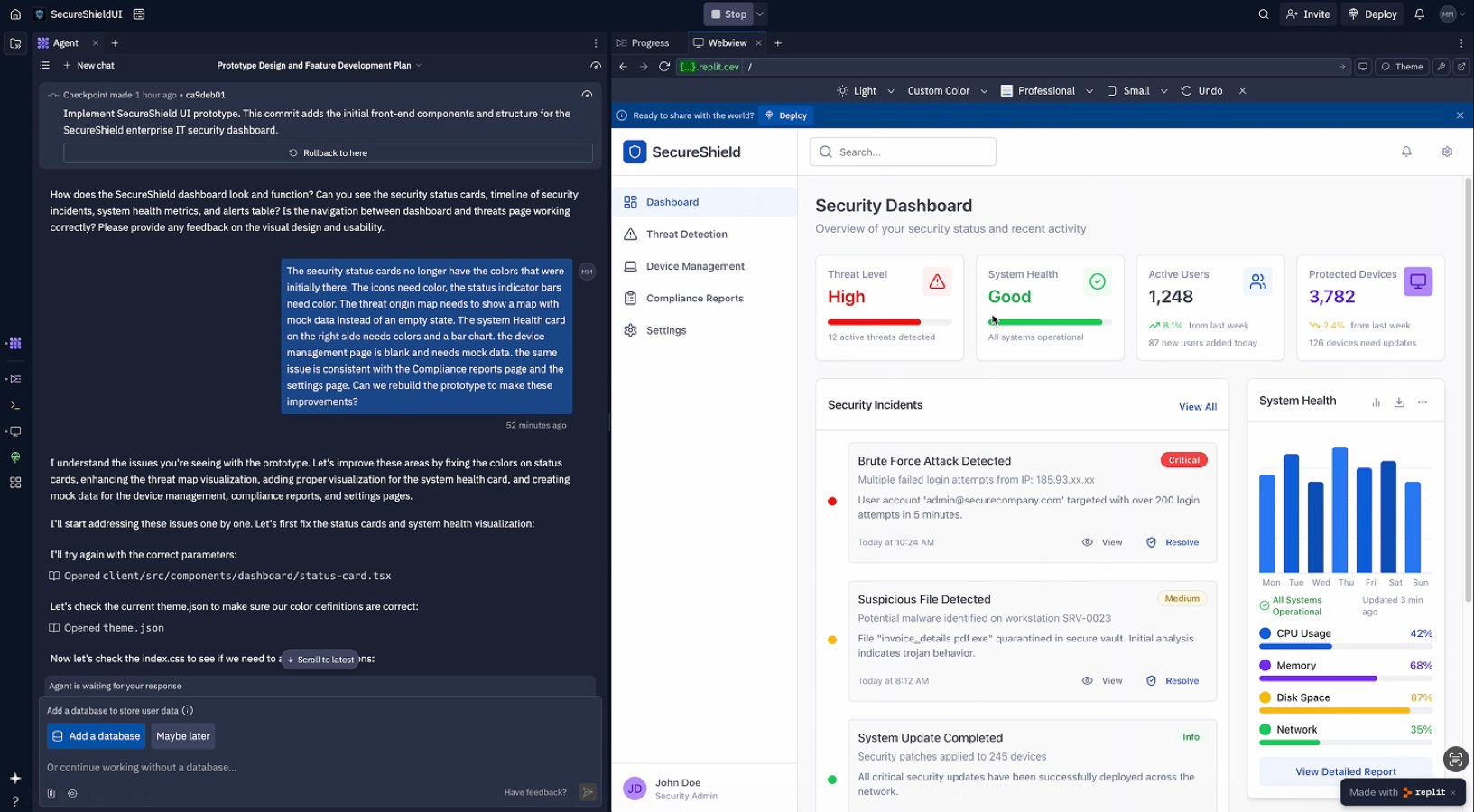
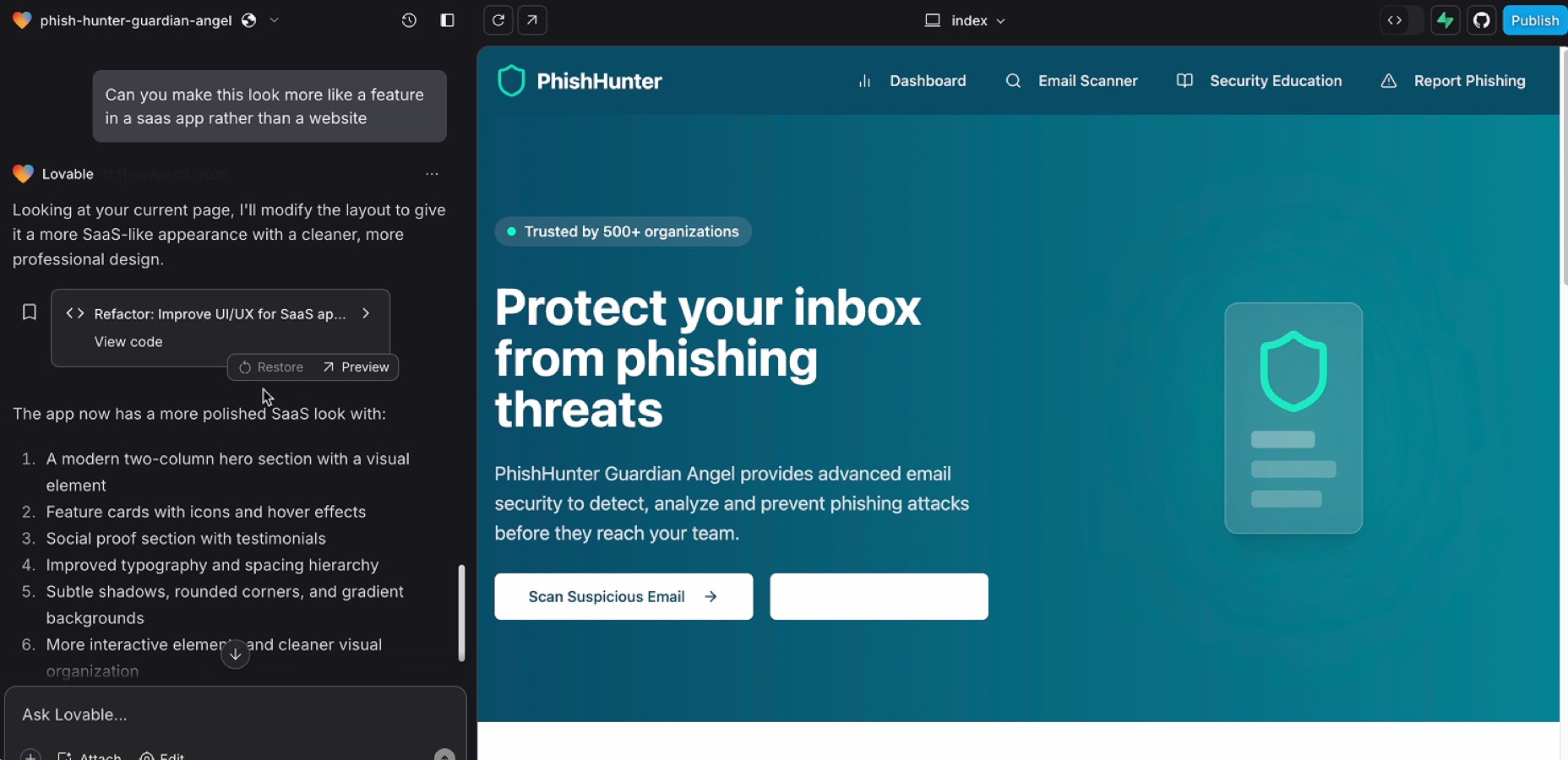
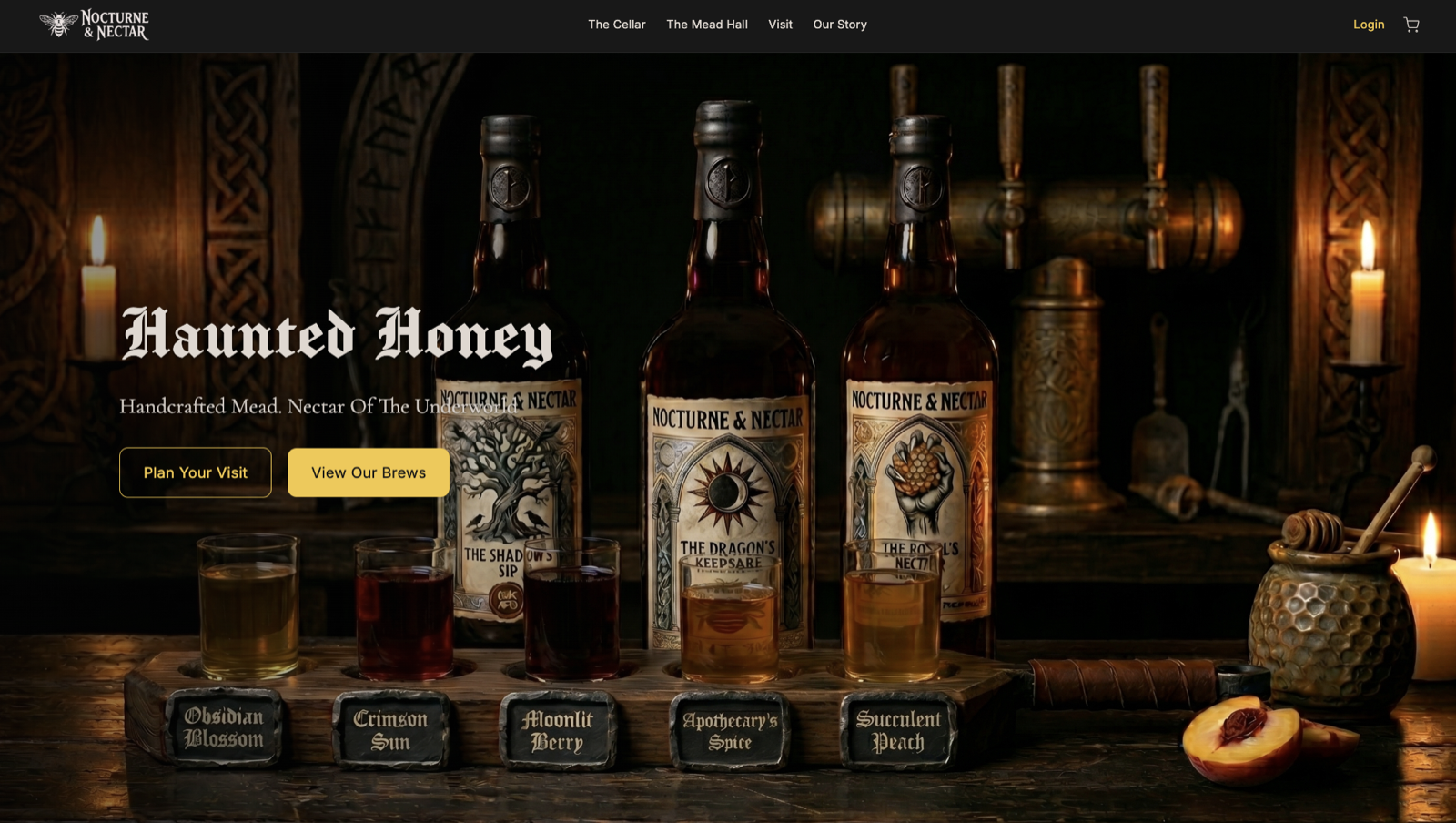
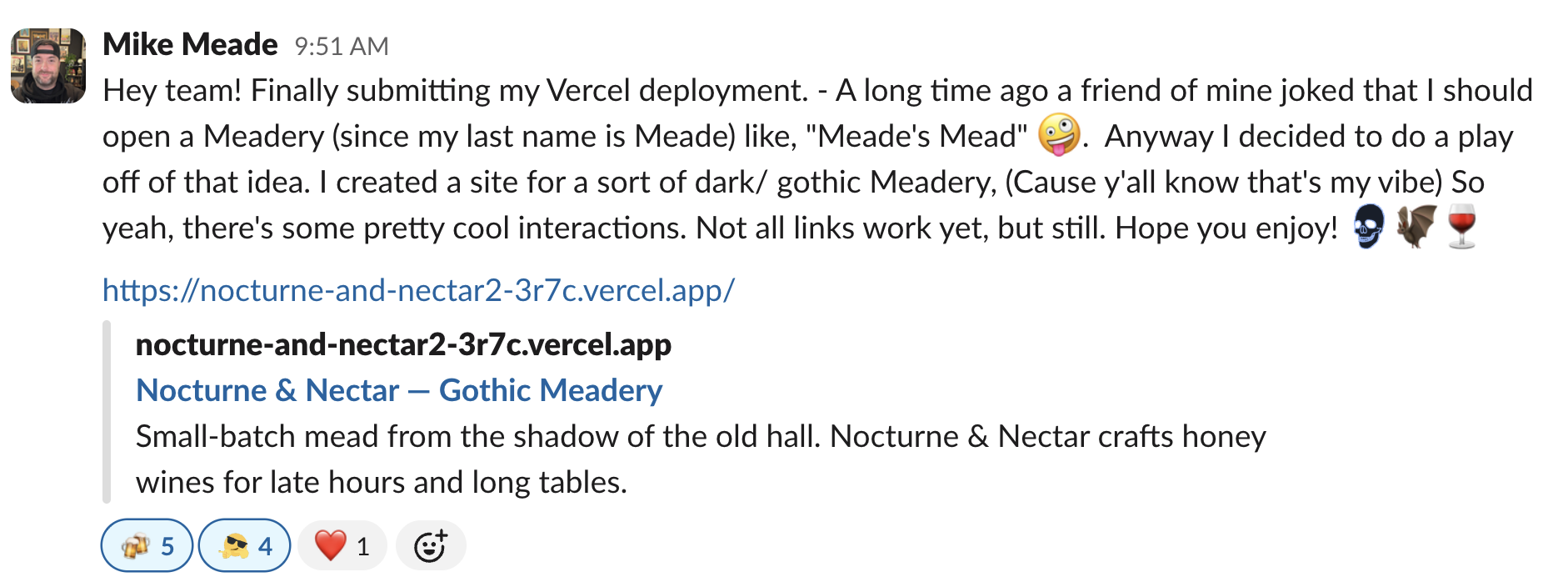
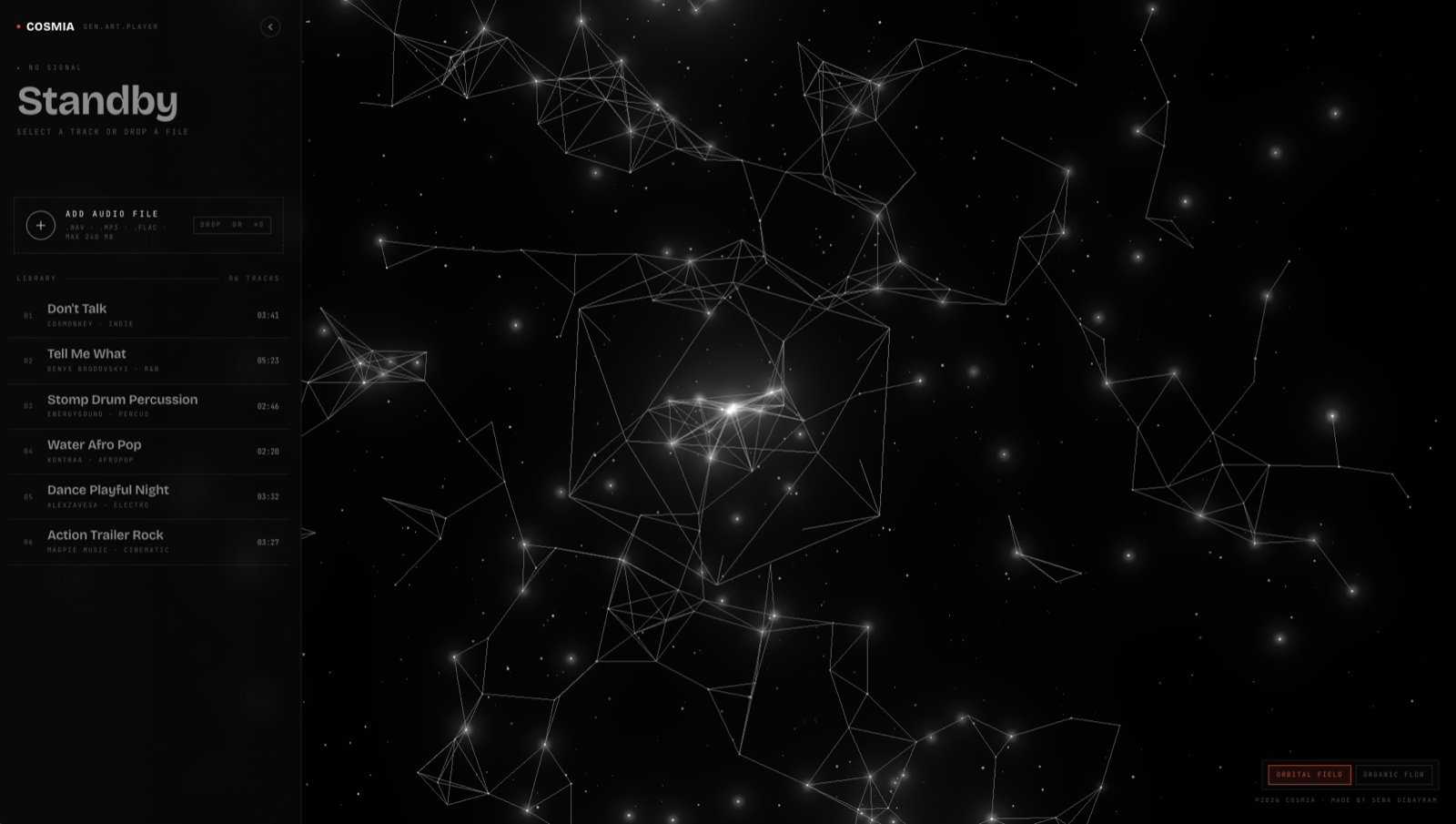
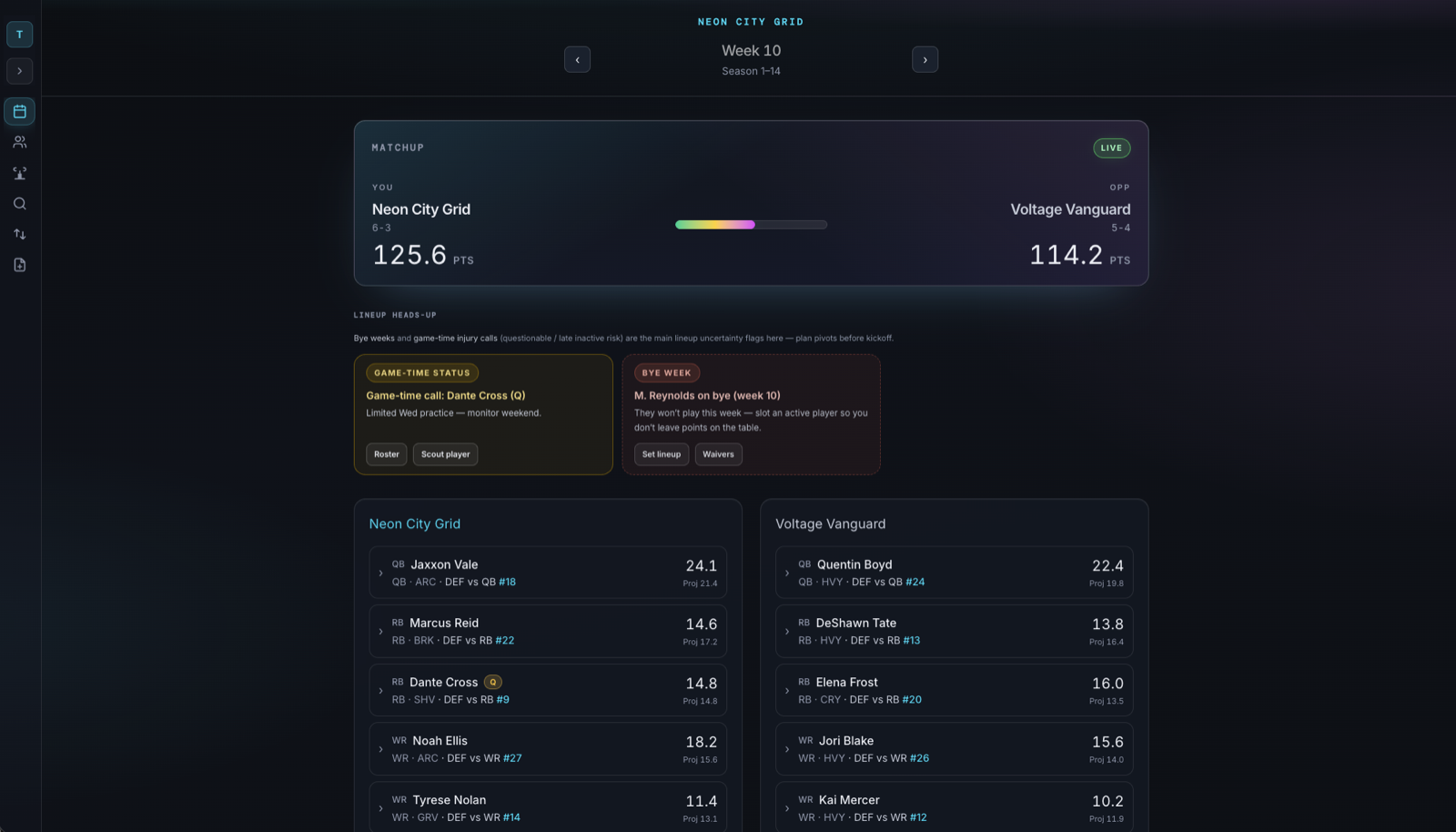
PMs start in the IDE, not slides.
I have a PRD for a new feature: Securing BYO Agents. Can you build a working prototype using our Circuit design system?
I partnered with the Tech Writing manager to create a core UI Voice & Tone skill, and a Documentation skill for Support and Blog articles.
---
name: ui-voice-and-tone
description: Core UI voice & tone for JumpCloud product copy.
---

# Voice
- Clear over clever. Say the thing.
- Active voice, present tense.
- Sentence case everywhere, even buttons.

# Tone by context
- Empty states: helpful, never cute
- Errors: own it, say what to do next
- Success: confirm, then get out of the way

# Words we avoid
"simply" · "just" · "please" · "oops"
Eng set us up to deploy to AWS: protected prototypes in our environment, ready to share internally and externally.


We worked with Eng so our prototypes can run on real local environment data.
I worked closely with Principals and Eng Leadership to identify the path forward.
The full lifecycle for new products, from zero to validated.
PM uses AI-assisted coding plus the design system to build a working prototype in days, not weeks. No spec doc: the prototype is the spec.
Product Designer elevates the experience with motion, polish, and accessibility. Deploys to a real URL and runs live customer research against actual behavior.
Engineering wires in backend and APIs against a validated frontend. No guessing at intent: the prototype has already been tested with real users.
Evolving existing systems: validate before you commit.
Each feature area gets its own micro-frontend and Storybook instance. Engineering owns the architecture, component isolation, and integration boundaries.
Circuit design system components are built and implemented collaboratively. Engineering and Design share ownership of component fidelity, accessibility, and consistency.
Dedicated project teams tackle scoped initiatives while ad hoc efforts address urgent fixes and improvements. The PDLC flexes to support both modes.
How do we keep users informed as the platform improves?
Keeping users informed as the platform improves.
Release notes generated from merged PRs and feature flags. Every shipped change gets customer-facing copy without manual PM effort.
Contextual update banners and a persistent changelog surface relevant enhancements per user role: admins see admin changes, end users see theirs.
Feature launches are paired with sales enablement artifacts, Help Center updates, and marketing previews, all generated from the same build artifacts.
PRD → functioning prototype using JumpCloud design system components
Polished experience, deployed to AWS, real customer research from a live URL
Production-ready, backend-complete, QA-validated
Spec doc + Figma file
Error proneLive prototype + research findings + project context
✓ ValidatedFor research, content, exploration, and decision-making.
Connecting design, code, components, rules, and skills.
Creating, testing, and refining working product experiences together.
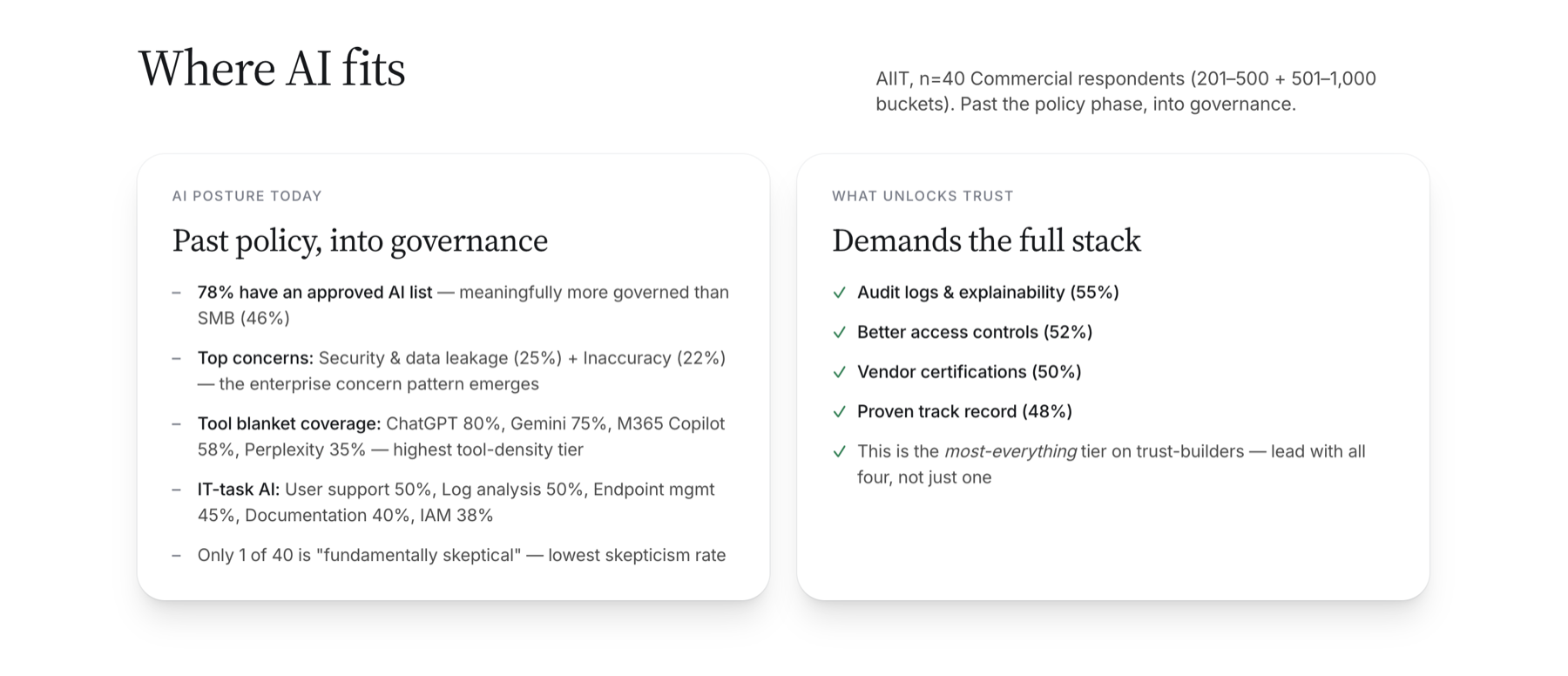
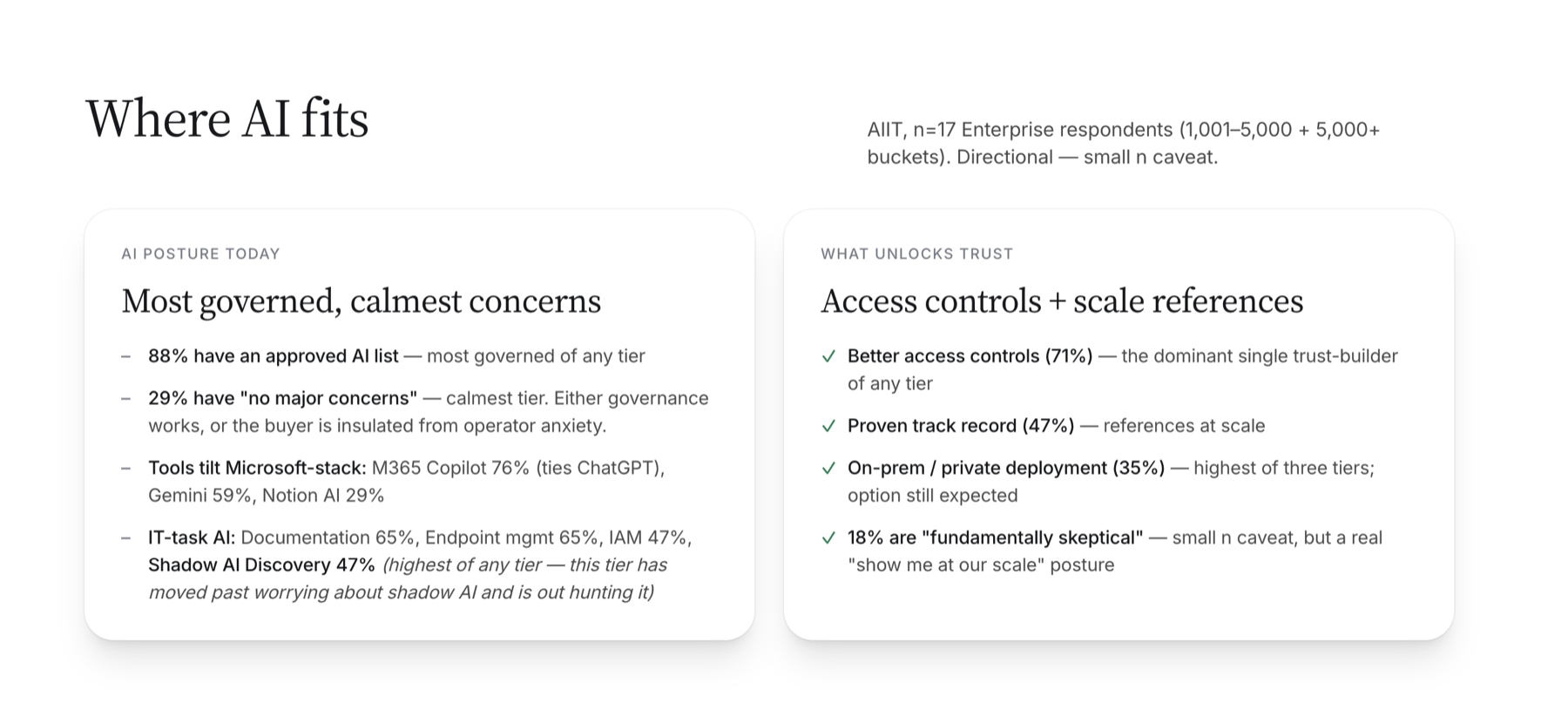
An ICP explorer that segments our market into three researched profiles: SMB, Commercial, and Enterprise. Each one covers who the buyer is, what success looks like for them, what slows a deal down, and where AI fits.
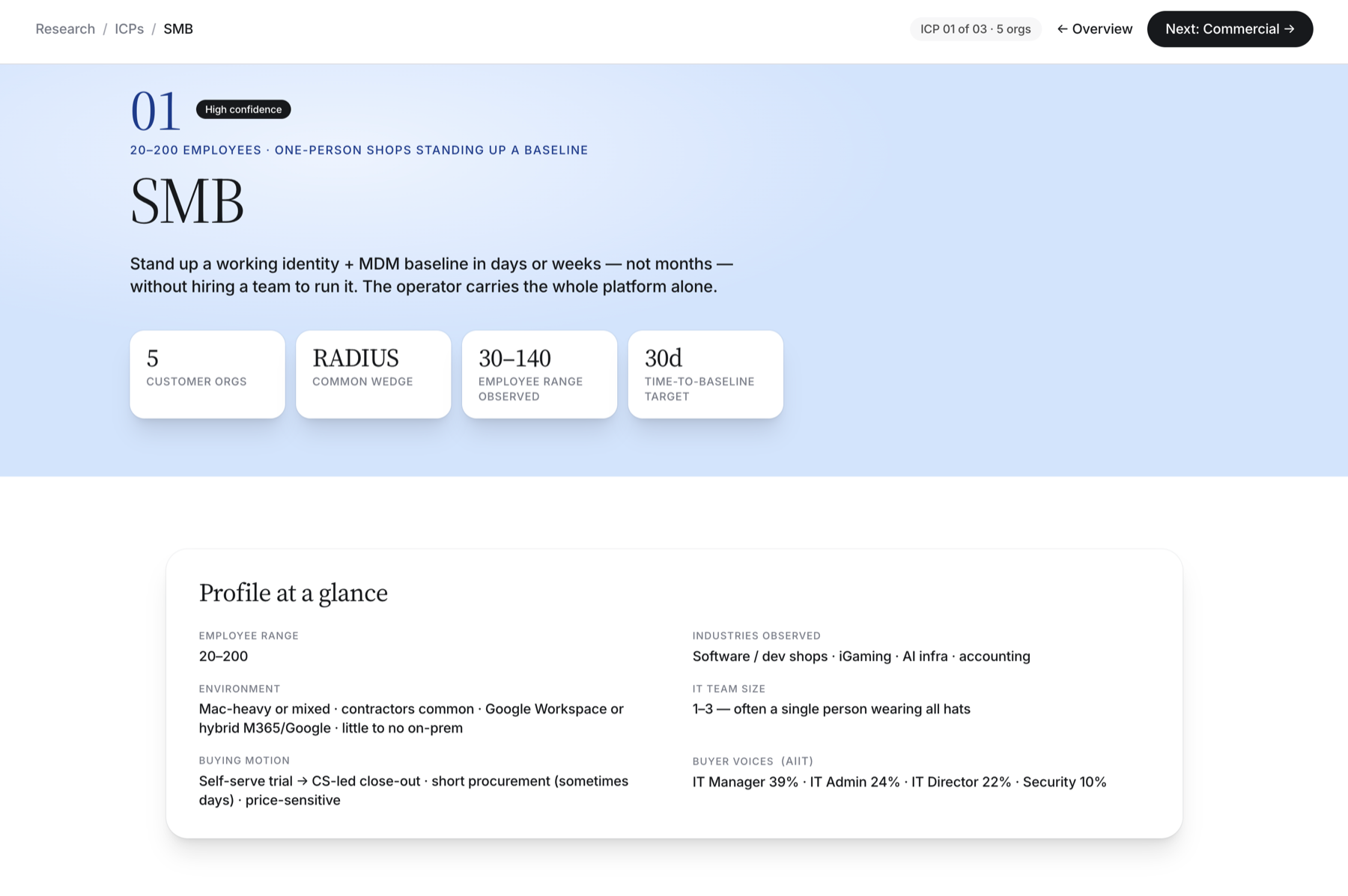
One page per segment. Same questions, different answers.
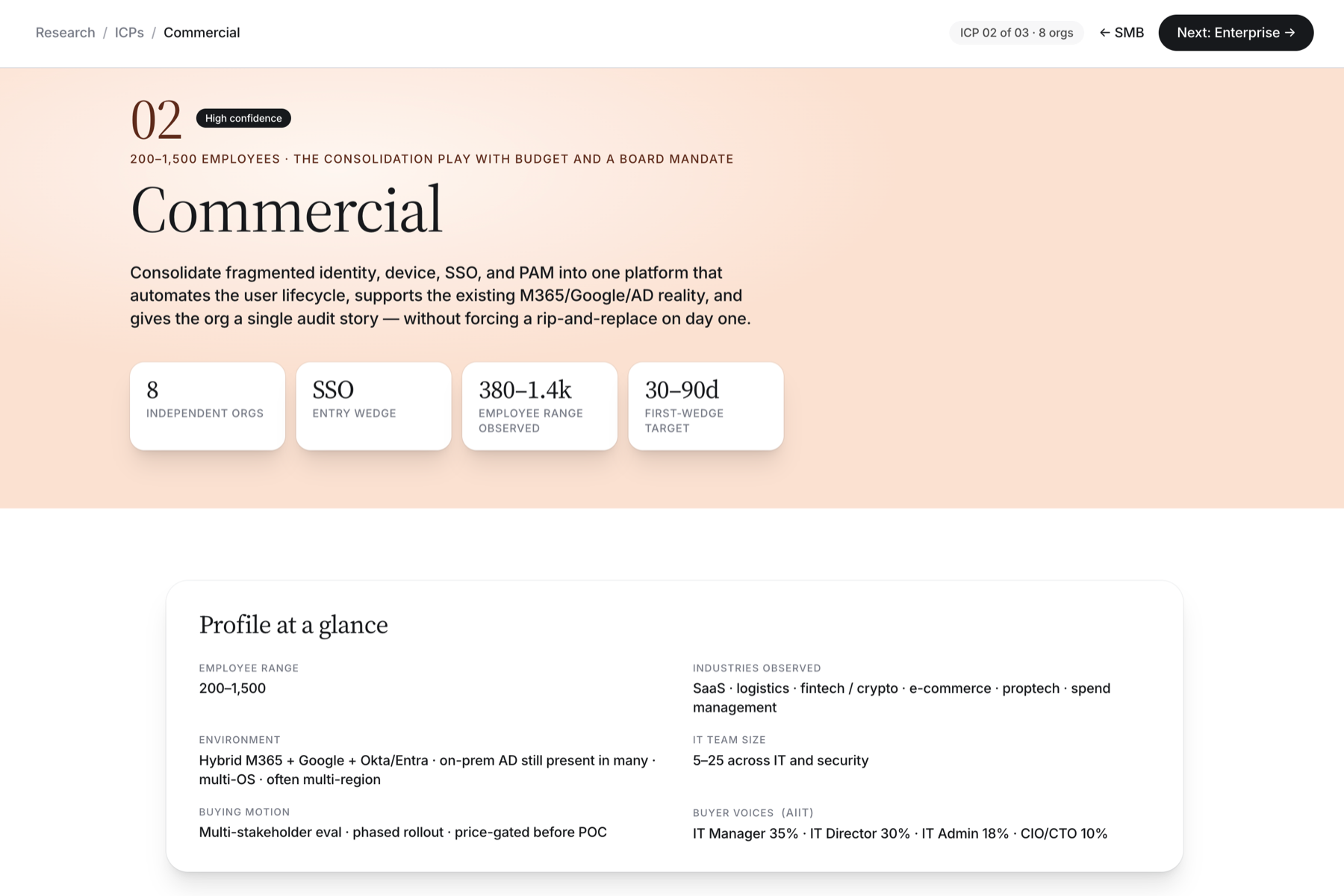
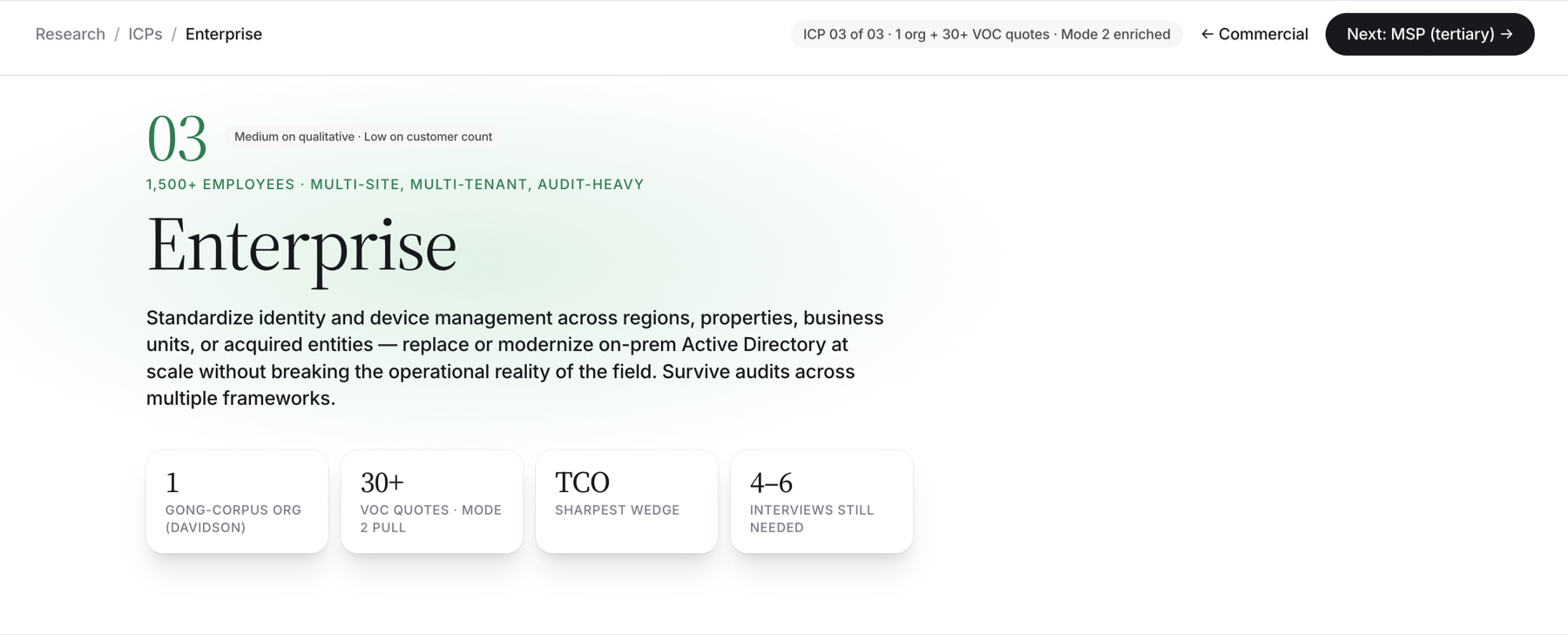
Each profile tracks AI posture from our IT trends research: adoption, concerns, and what unlocks trust.
Create your personas from our data, per your new feature
Embed personas into your prototype
Iteratively launch persona reviews for feedback
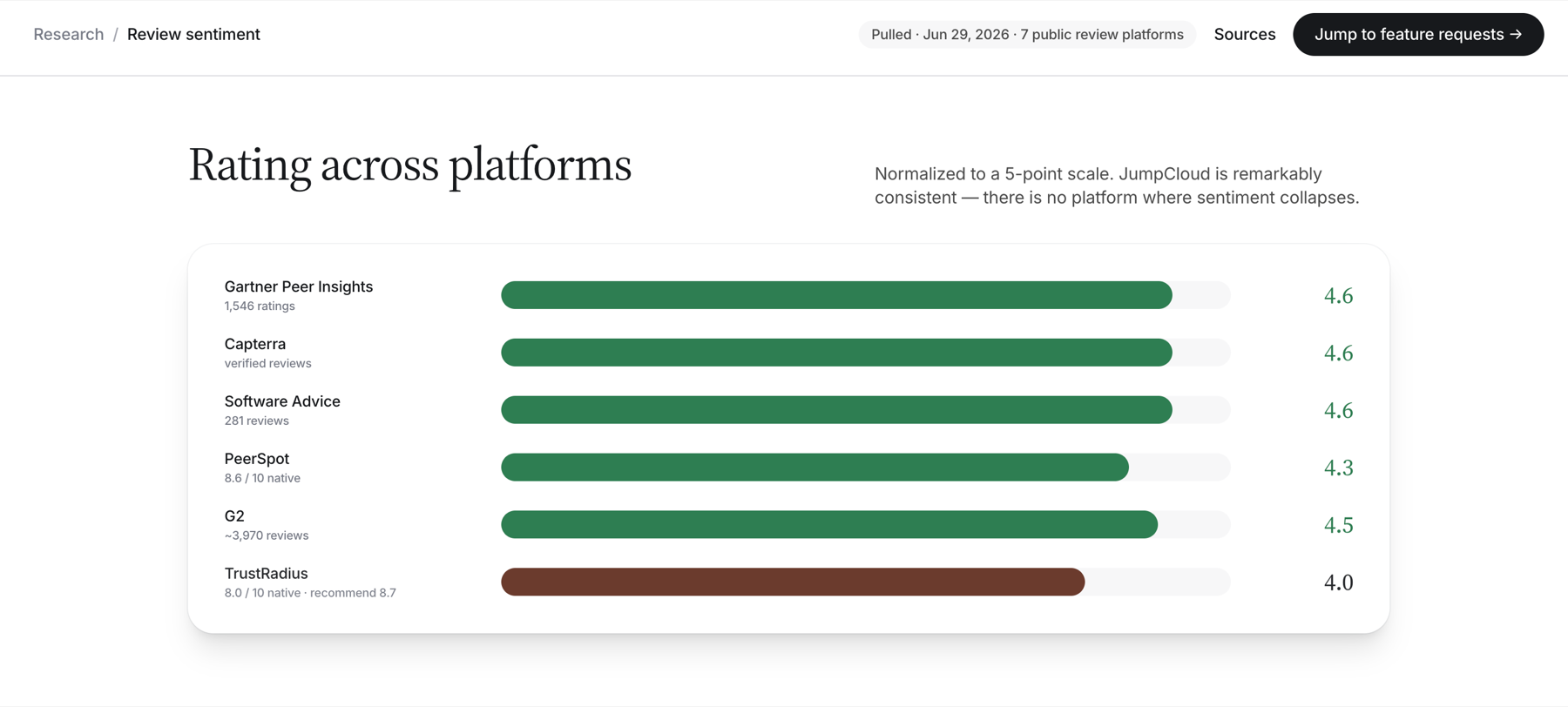
A review-sentiment tool that pulls ratings from seven public review platforms and normalizes them to a five-point scale. Every platform lands between 4.0 and 4.6.
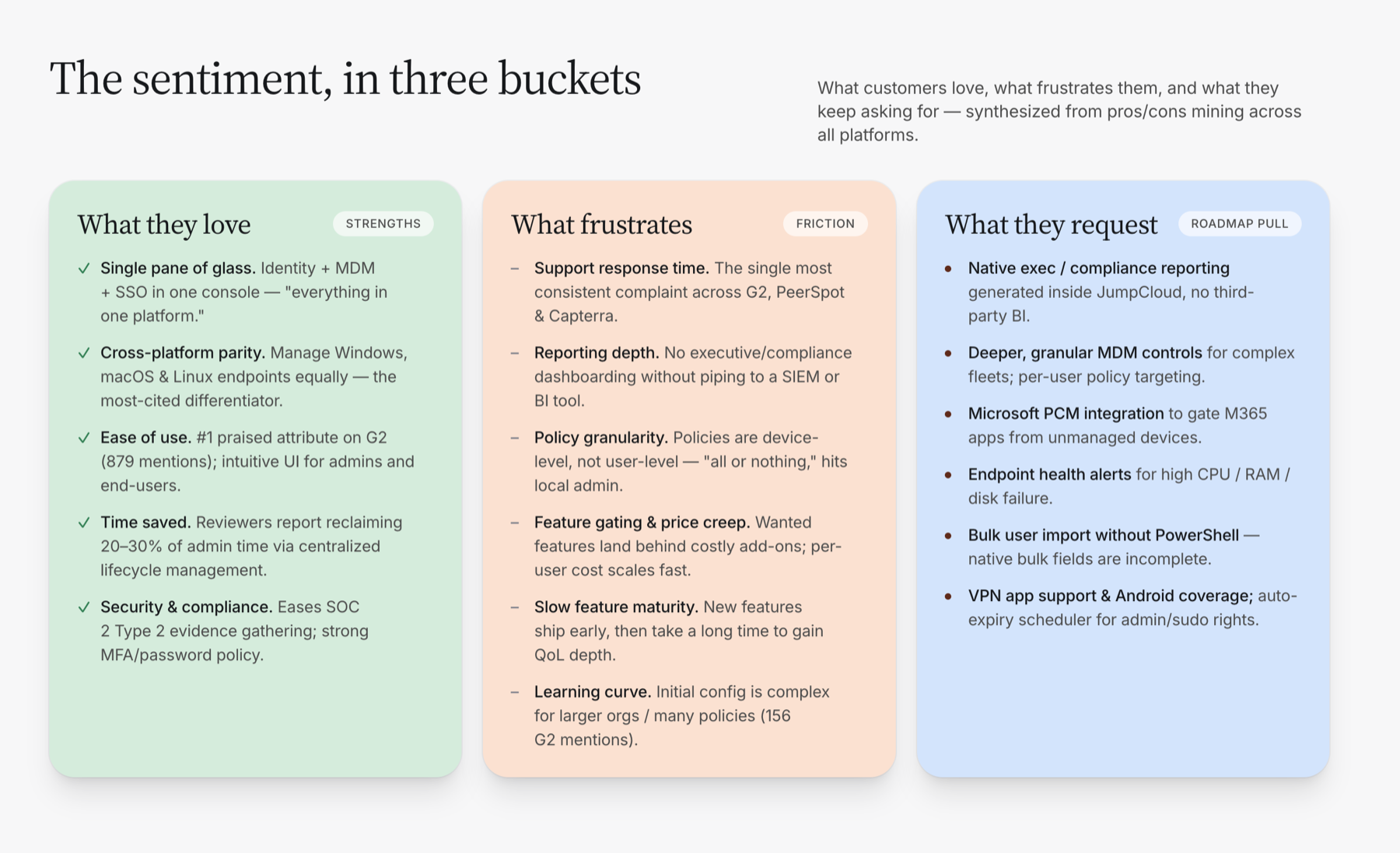
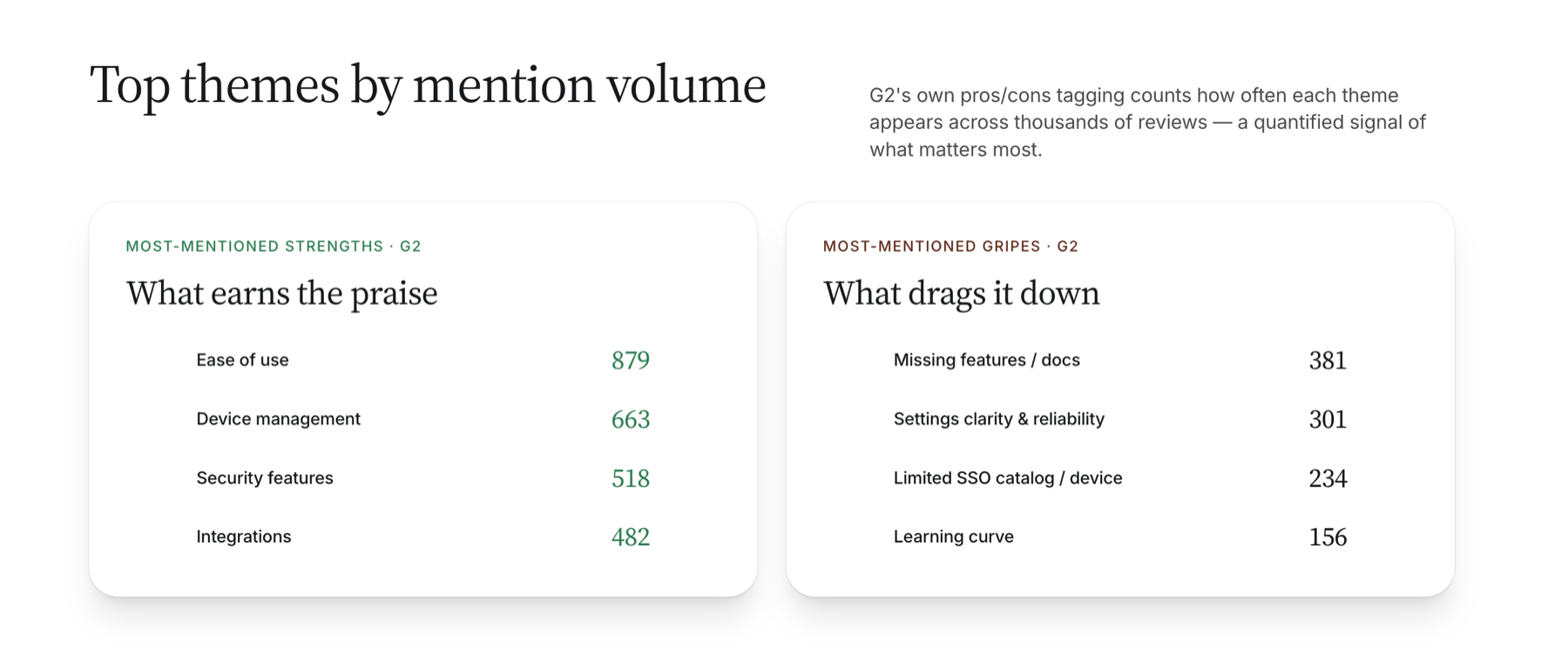
Pros and cons mined into three buckets, then quantified by G2 mention volume.
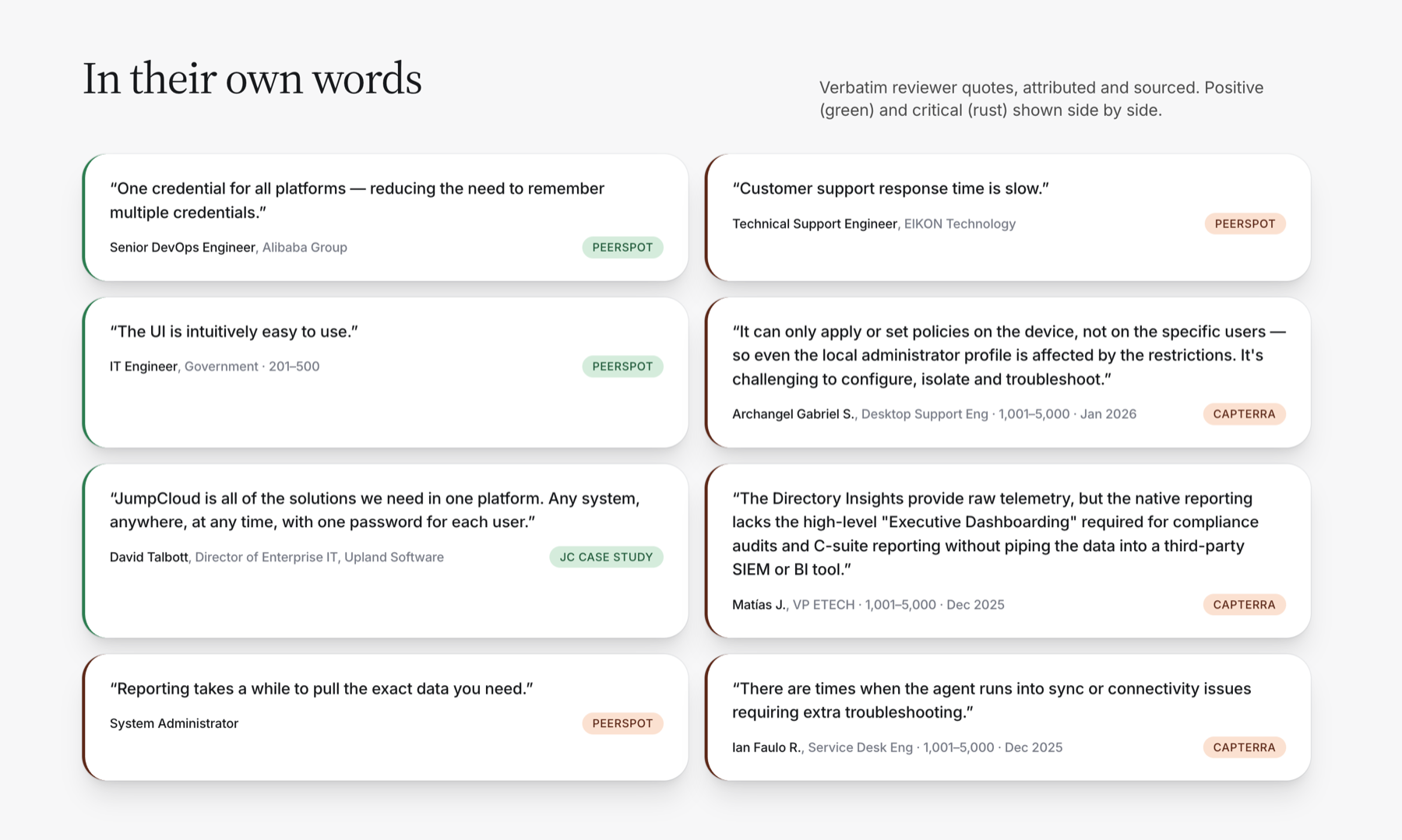
Verbatim reviewer quotes, attributed and sourced. Praise in green, friction in rust.
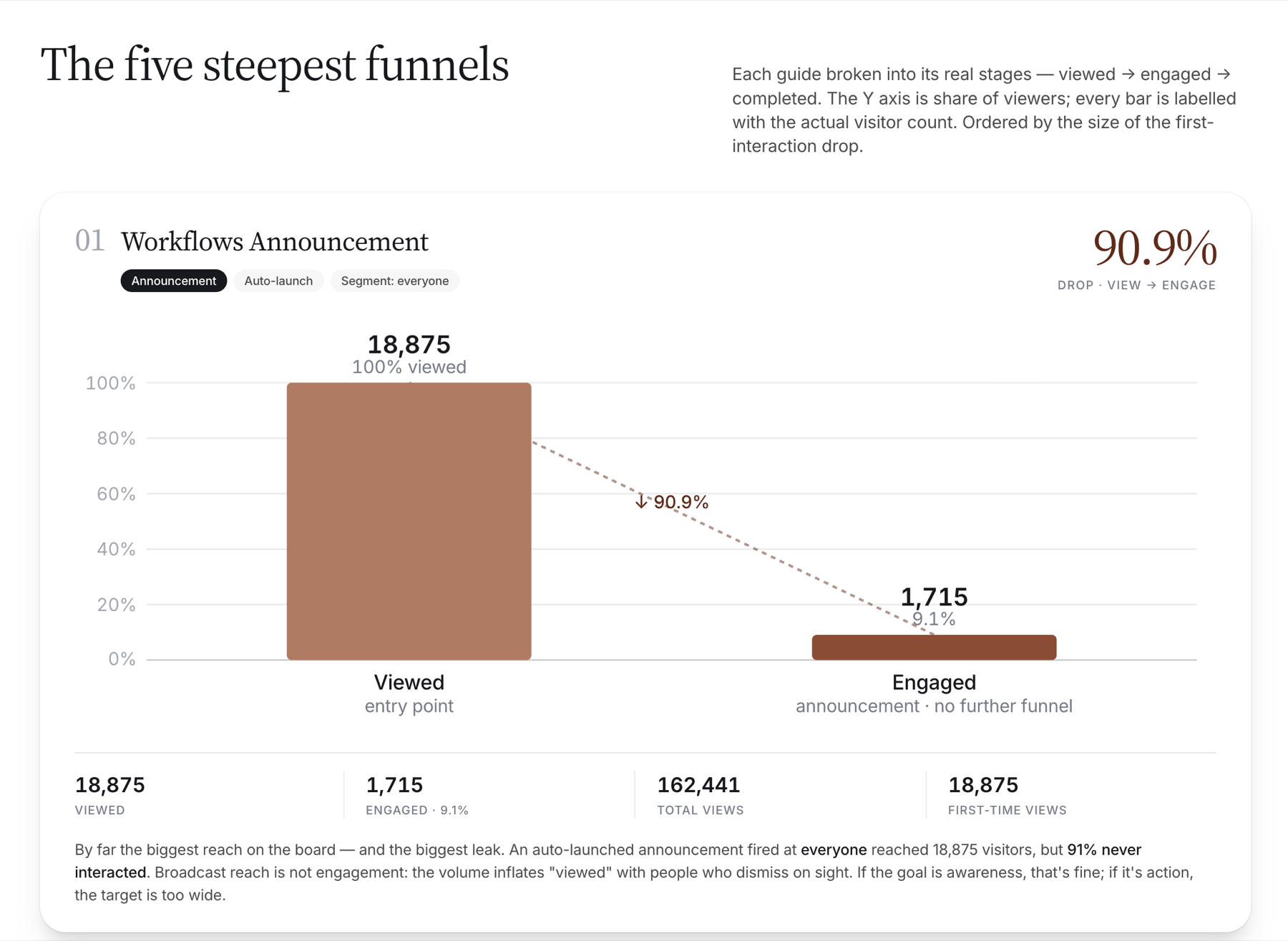
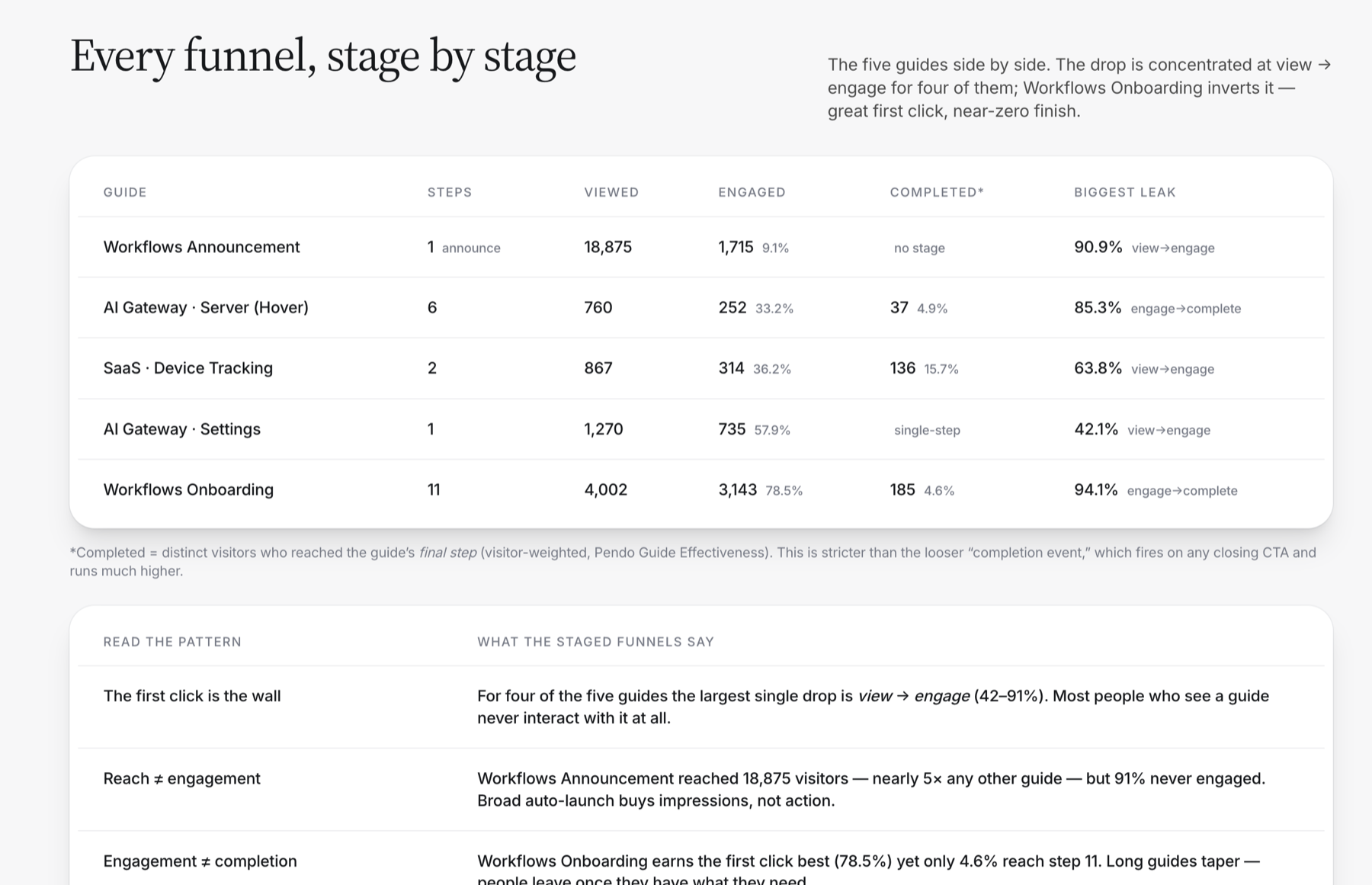
A funnel tracker built on Pendo. Every active guide breaks down into viewed → engaged → completed, so we can see which guides convert and which ones lose people at the first click.
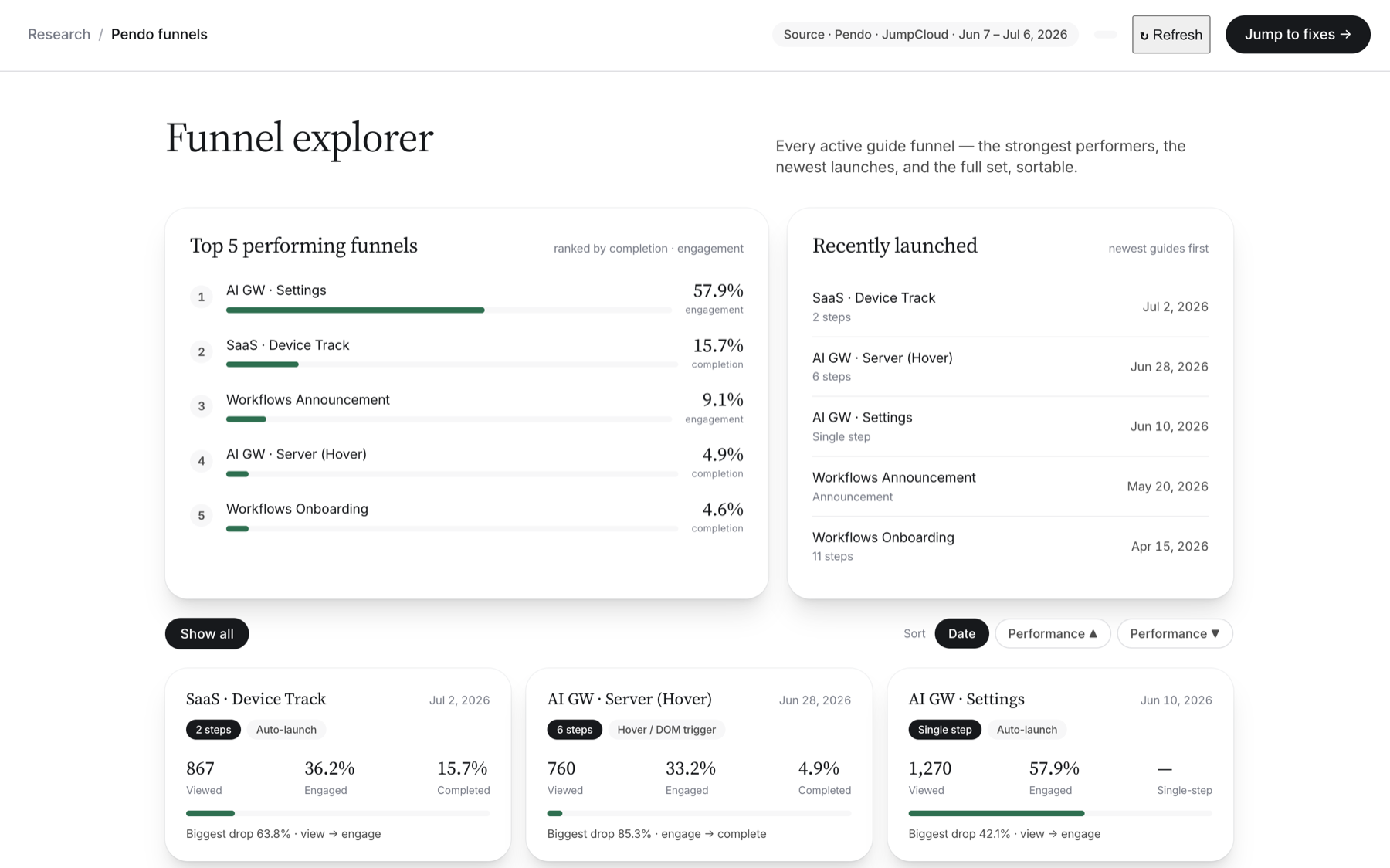
Most guides lose people at the first click: view to engage is the biggest drop on four of the five.



 MCP
MCP